


 RSS
RSS
Global World Topics
Trusted, reliable news sources from around the web. We offer special news reports, topic news videos, and related content stories. Truly a bird's eye view on global world topics from the RobinsPost newsroom.
- Details
- Written by Robin Casey
- Category: Global World Topics
By late summer, Halloween events 2026 will begin filling calendars well before the first jack-o'-lantern appears on a porch. Major haunted attractions often release timed tickets early, destination events can sell out popular October weekends, and family festivals may require reservations for pumpkin patches, hayrides, or trick-or-treat trails. Planning ahead is less about taking the fun out of Halloween and more about avoiding a night spent in traffic, ticket lines, or sold-out queues.
For readers tracking entertainment, travel, local news, and seasonal activities in one place, the useful question is not simply which event looks scariest. It is which event fits your group, budget, location, weather tolerance, and preferred level of fright.
Halloween Events 2026: Dates to Watch
Halloween falls on Saturday, October 31, 2026. That matters because the biggest crowds will likely concentrate across the final two weekends of October, especially Friday, October 30, and Halloween night itself. Many seasonal attractions are expected to open in September, while community events and neighborhood celebrations may cluster around the final week of the month.
Exact schedules vary by city and organizer, and dates can change due to weather, permits, staffing, or local safety decisions. Check an event's current announcement before making nonrefundable travel plans. A listing that was accurate in spring may look very different by October.
The early planning calendar usually follows a familiar pattern:
Spring and early summer: Large theme parks, destination haunted houses, and major city parades begin teasing themes, dates, and hotel packages.Late summer: Timed-entry tickets, VIP passes, seasonal food events, and many family attraction calendars become available.September: Haunted houses, corn mazes, and fall festivals begin opening, often with lower crowds on weeknights.October: Local libraries, downtown districts, museums, zoos, schools, and community groups publish final details for free or low-cost events.
The Saturday date creates a trade-off. It is ideal for costumes, parties, and late-night events, but it can also mean higher ticket prices, traffic restrictions, and packed venues. If flexibility matters more than being there on Halloween itself, a Wednesday or Thursday visit can offer shorter lines and easier parking.
Choose the Right Kind of Halloween Outing
A strong Halloween plan starts with the experience rather than the event name.
- Details
- Written by Robin Casey
- Category: Global World Topics
Election night can move from routine updates to major projections in minutes. Learning how to plan an election night watch party means preparing for that uncertainty as much as preparing snacks and screens. The best gathering gives guests a reliable way to follow results, room for different viewpoints, and an easy option to step away when the news becomes intense.
This is not the night to promise a final answer by a specific hour. Close races, different time zones, mail ballot counts, recount rules, and local reporting schedules can all change the pace. Plan for an informed, comfortable evening rather than a victory party for any candidate or side.
Start with the purpose and guest list
Decide what kind of event you are hosting before sending invitations. A small group of close friends may want a relaxed evening with a television on in the background. A larger group may want to follow national, statewide, and local contests closely. Families might prefer an earlier gathering with a clear end time, while politically mixed groups benefit from a more structured plan for conversation.
Keep the invitation simple and specific. Include the start time, the expected mood, whether guests should bring food or drinks, and whether the gathering may continue late. A useful note can say that results may not be final that night and that the event is designed for respectful viewing and discussion. That small expectation-setting step prevents a common problem: guests arriving ready to debate while others expected a casual social evening.
Think carefully about group size. Eight to 15 people is usually enough for energy without turning updates into noise. If you invite a larger crowd, create separate areas for watching, food, and quieter conversation. One crowded room where every person is trying to talk over a broadcast becomes tiring quickly.
Set up dependable election-night viewing
A watch party works only if people can actually see and hear the coverage. Test your television, streaming device, login details, remote controls, charging cables, and Wi-Fi before guests arrive. Check that captions work too. Captions make a busy room more accessible and help when several people are talking.
Use more than one source of information, but do not put competing live broadcasts on every screen. Choose one main network or live stream for the room. Then set up a laptop, tablet, or second television for maps, local races, official election updates, and fact-checking.
- Details
- Written by Robin Casey
- Category: Global World Topics
A recalled product can sit in a pantry, medicine cabinet, garage, or child’s bedroom long before a headline reaches your feed. Knowing where to find recall notices gives you a faster way to check the products that matter most, instead of relying on social media posts that may be late, incomplete, or wrong.
Recall information is spread across government agencies, manufacturers, retailers, news reports, and local health departments. That can feel fragmented, but each source has a different job. The most reliable approach is to check the official source first, then use news coverage and retailer alerts to understand whether the recall affects your household.
Where to find recall notices from official sources
For most consumer safety issues in the United States, the federal agency responsible for the product category is the starting point. Official notices identify the product, the hazard, dates or lot codes, photos when available, and the remedy offered. That remedy might be a refund, repair, replacement, disposal instruction, or a request to stop using the product immediately.
The main agencies to watch are:
The Consumer Product Safety Commission for toys, furniture, infant products, appliances, electronics, tools, and many household goods.The Food and Drug Administration for many packaged foods, beverages, cosmetics, dietary supplements, pet food, medicines, and medical devices.The U.S. Department of Agriculture for meat, poultry, and certain processed egg products.The National Highway Traffic Safety Administration for vehicles, tires, car seats, and other motor-vehicle equipment.
A product can appear in a news report before an agency database is updated, particularly during a quickly developing foodborne illness investigation. In that situation, check again later and follow instructions from the relevant agency or your state and local health department.
Vehicle recalls require a VIN check
Vehicle recalls are one category where a general search is not enough. Two vehicles of the same model and year can have different recall status depending on where and when they were manufactured. Use the vehicle identification number, or VIN, from the dashboard, registration, insurance paperwork, or driver-side door frame to check for open safety recalls.
A recall repair is generally completed at no charge by an authorized dealer. Do not assume a used car was repaired just because the recall is old.
- Details
- Written by Robin Casey
- Category: Global World Topics
The World Series baseball 2026 conversation will build long before the first pitch of the Fall Classic. For fans, the event is not just a late-October championship round. It is the final checkpoint after six months of standings changes, trade-deadline moves, breakout players, injuries, playoff races, and unforgettable October moments.
Because the 2026 MLB regular season and postseason are still ahead, no clubs, exact game dates, broadcast assignments, or ticket prices should be treated as final until Major League Baseball confirms them. What fans can do now is understand the likely rhythm of the season, know where the postseason pressure points will be, and prepare to follow the championship series without getting lost in rumor, resale listings, or incomplete schedules.
What to Expect From World Series Baseball 2026
The World Series traditionally matches the American League champion against the National League champion in a best-of-seven series. The first team to win four games takes the championship. Home-field advantage is expected to follow the club with the better regular-season record, rather than alternating leagues as it did under older formats.
That detail can matter more than it first appears. A team with the stronger record may host Games 1 and 2, then return home for Games 6 and 7 if the series goes the distance. In a matchup of elite clubs, a familiar ballpark, a loud home crowd, and a preferred bullpen routine can shape a single close game - and one close game can shape the entire series.
The 2026 postseason is likely to retain the expanded playoff structure used in recent MLB seasons, with six teams from each league qualifying. Division winners and wild-card clubs must survive several rounds before either pennant is secured. That means the World Series participants may be dominant teams that led from April onward, but they could also be hot wild-card teams that peak at exactly the right time.
Baseball does not always reward the team with the flashiest regular-season record. Short postseason series magnify starting pitching depth, bullpen reliability, defense, matchup decisions, and timely hitting. Fans tracking the road to the 2026 World Series should watch those areas as closely as the standings.
The Calendar Fans Should Watch
MLB typically begins its regular season in late March or early April, followed by the All-Star break in July.
- Details
- Written by Robin Casey
- Category: Global World Topics
The question around Lilo & Stitch 2 Filming In Hawaii carries more weight than a typical movie-location update. Hawaii is not just a recognizable backdrop for this story. Oahu's neighborhoods, beaches, family life, music, and local sense of place are central to why Lilo & Stitch has endured for more than two decades. If Disney moves forward with another live-action chapter, where cameras roll will shape how audiences and Hawaii residents judge the project.
Disney confirmed that a live-action Lilo & Stitch sequel was in development after the first film's major audience response. But development news is not the same as a locked production schedule. A sequel announcement does not automatically confirm shooting dates, a full cast return, a director, or a Hawaii filming permit. For readers tracking entertainment updates, that distinction is the key one.

Lilo & Stitch 2 Filming In Hawaii: The Current Status
Publicly, the clearest confirmed development is that Disney intends to continue the live-action franchise. Detailed production information can arrive in stages: first a creative team, then casting notices, then location work, and finally a formal start-of-production announcement. Until a studio, production office, or recognized local film authority confirms dates and locations, reports of a Hawaii shoot should be treated as possibility rather than fact.
There is also a naming issue that can create confusion. The 2005 animated release Lilo & Stitch 2: Stitch Has a Glitch already exists, and it was an animated continuation, not a film production shot in Hawaii. Current discussion about a new "Lilo & Stitch 2" generally refers to a potential sequel to Disney's live-action version.
That matters when scanning headlines and social posts. A fan-made poster, a recycled cast photo, or a report about the earlier animated sequel can quickly look like fresh production news. The strongest indicators are a Disney announcement, a verified cast or filmmaker statement, a formal production listing, or location notices from reliable Hawaii film-industry channels.
Why Hawaii Remains the Logical Choice
The first live-action film used Hawaii in a meaningful way, bringing production activity to Oahu and placing local landscapes at the center of a global Disney release. Returning would offer continuity that cannot be fully recreated on a mainland soundstage.
- Details
- Written by Robin Casey
- Category: Global World Topics
A single hot shooting night can change a series, but the best 2026 WNBA Finals predictions begin with the details that travel: half-court defense, reliable late-game creators, rebounding, and a rotation that still has answers after a difficult Game 3. Star power gets teams on the national radar. Championship-level habits decide who is still playing when the season reaches its final week.
The league's competitive center remains crowded. A small group of established contenders has the experience to handle playoff pressure, while rising teams have enough top-end talent to disrupt any bracket. That makes this less about naming one obvious favorite and more about identifying which teams can win in more than one way.
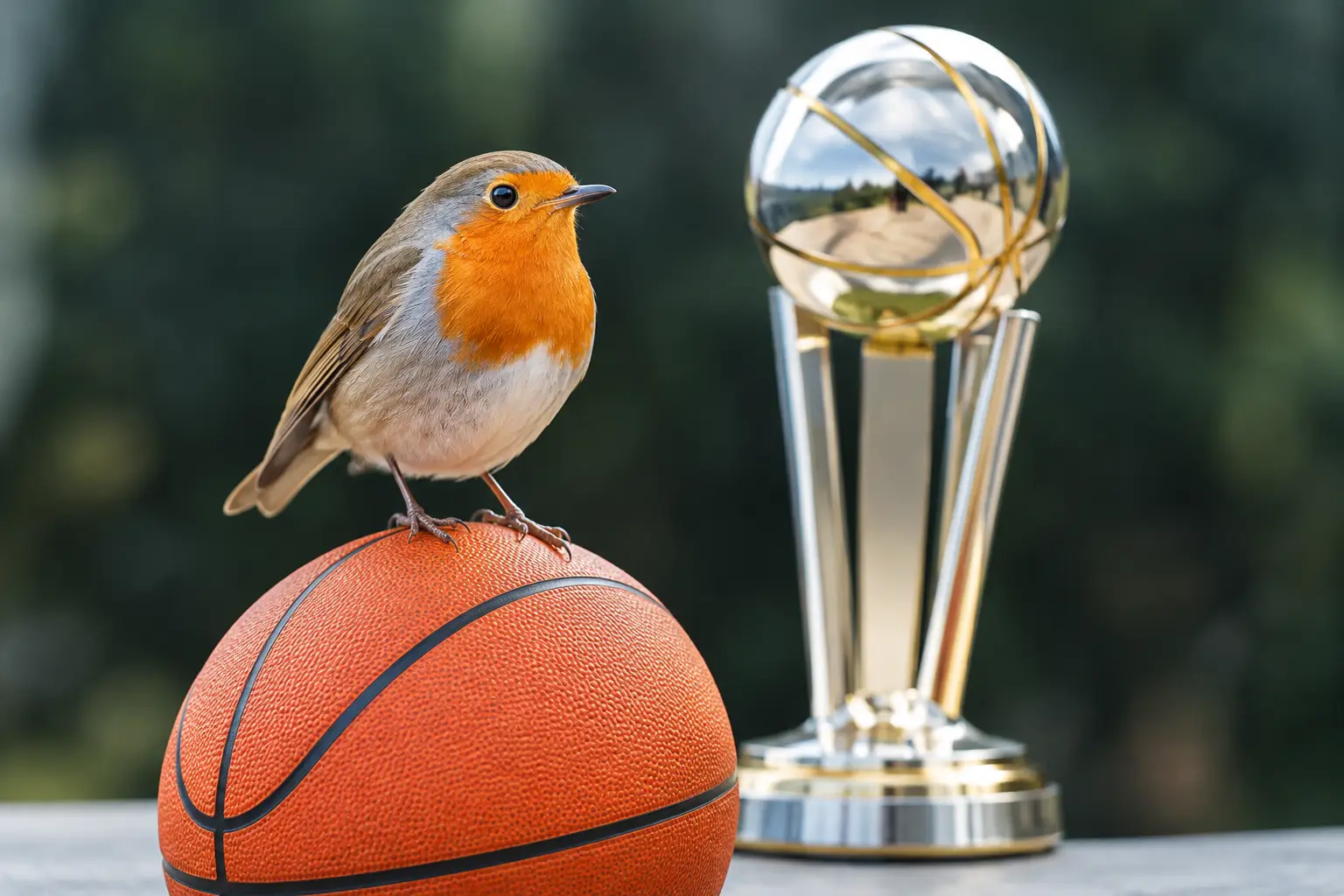
2026 WNBA Finals Predictions: The Leading Tier
New York belongs near the front of any championship conversation. The Liberty have built the kind of roster profile that tends to age well in the postseason: high-level shot creation, size, spacing, and players accustomed to games where every possession is scouted. When New York moves the ball quickly and avoids live-ball turnovers, opponents have a difficult choice between protecting the paint and chasing shooters across the floor.
The question is not whether the Liberty can produce elite offense. It is whether their defense can consistently force uncomfortable shots against teams with multiple strong guards and physical frontcourts. In a tight series, transition defense and defensive rebounding can matter as much as a brilliant fourth-quarter scoring run.
Minnesota is another natural Finals pick because the Lynx identity is built for playoff basketball. Their disciplined execution, connected defense, and willingness to make the extra pass are not glamorous advantages, but they become more valuable once opponents have several days to prepare. Minnesota does not need every game to become a track meet. That flexibility gives the team a credible route through different styles of opponents.
Las Vegas remains the high-ceiling threat. The Aces have recent championship experience and understand how to manage the emotional swings of a long series. If their core is healthy and the supporting rotation supplies enough shooting and defensive energy, Las Vegas can look unbeatable for stretches. The trade-off is the physical toll of a demanding season. The Aces' title case becomes much stronger if they enter the playoffs with their key players fresh rather than simply fighting through fatigue.

Related Product Search/Búsqueda de productos relacionados




