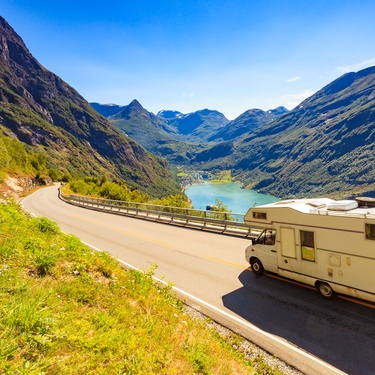
Keeping your RV in peak condition requires routine inspections. Whether you’re gearing up for a cross-country adventure or preparing for seasonal storage, checking key components ensures a smooth and worry-free trip. From electrical systems to your roof, staying on top of inspections prevents costly surprises down the road. Here’s your must-know inspection checklist for your RV.
Electrical and Battery System Checks
A failing battery or faulty electrical system can quickly turn a fun trip into a frustrating experience. Start by checking the battery terminals for corrosion and ensuring the charge is sufficient. Inspect all interior and exterior lights, including brake lights and turn signals to confirm they’re working properly. Test outlets and appliances to catch any wiring issues before they become major problems. Keeping the electrical system in good shape helps avoid unexpected power failures while on the road.
Plumbing and Water System Inspections
Leaks and water damage can cause significant problems in an RV if left unchecked. Inspect all water lines and fittings for signs of wear or dripping connections. Test the water pump and faucets to ensure they’re functioning correctly. Check the holding tanks for leaks and confirm the seals on the toilet and shower are intact. Flushing the system and cleaning out any buildup helps maintain water flow and prevents unpleasant odors during your travels.
Tires and Brakes for Safe Travels
Your tires and brakes are among the most critical components of your RV. Before hitting the road, inspect each tire for wear, cracks, or uneven tread patterns. Ensure they’re inflated to the recommended PSI to prevent blowouts. Check the brake pads and rotors for excessive wear and listen for any unusual noises when braking. Taking the time to inspect these components regularly keeps your RV safe and stable on the road.
Extending Your RV Roof’s Life with Inspections
The roof of your RV takes the brunt of the elements, making regular inspections essential. Look for cracks, soft spots, or signs of water intrusion along seams and vents. Clear any debris that could cause damage, and check for loose or missing sealant. Proper maintenance, including resealing when necessary, extends your RV roof’s life and prevents costly water damage. Keeping up with inspections ensures that small issues don’t turn into major repairs.
Now that you know the must-know inspection checklist for your RV, you can keep your vehicle in top shape for every adventure. Checking electrical systems, plumbing, tires, and your roof regularly helps prevent expensive repairs and keeps your travels stress-free. With a little routine maintenance, your RV will be road-ready whenever you are.
Bio: Casey is a passionate copyeditor highly motivated to provide compelling SEO content in the digital marketing space. Her expertise includes a vast range of industries from highly technical, consumer, and lifestyle-based, with an emphasis on attention to detail and readability.
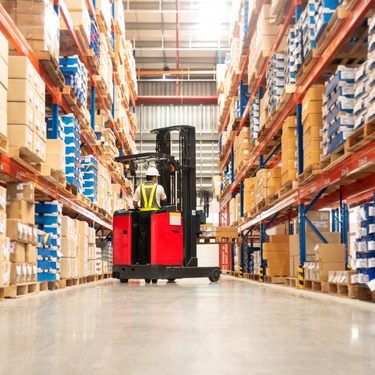
Supply chains are unpredictable. One month, inventory moves slowly; the next, a seasonal spike floods the loading dock. If your storage system is rigid, these fluctuations create chaos rather than revenue. A static warehouse is a liability in an industry defined by movement and speed, so it is vital that you future-proof your warehouse storage equipment.
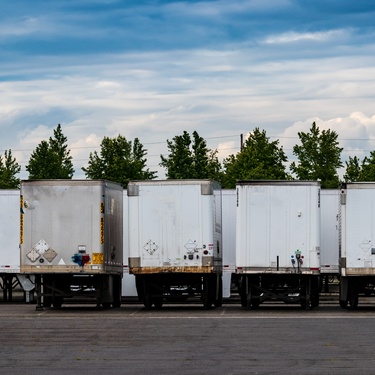
Every mile counts on the road, but what happens when the wheels stop turning matters just as much. For trucking companies, trailers are revenue-generating assets that must be taken care of. That means ignoring where and how you store them is a silent profit killer.
Buying farmland for the first time is an exciting venture, opening up possibilities from starting a family farm to making a long-term investment. But before you plant your first seed or bring in livestock, it’s crucial to do your homework. A successful purchase depends on more than just the price tag. Here are five essential things every first-time farmland buyer should know to make a wise and informed decision.
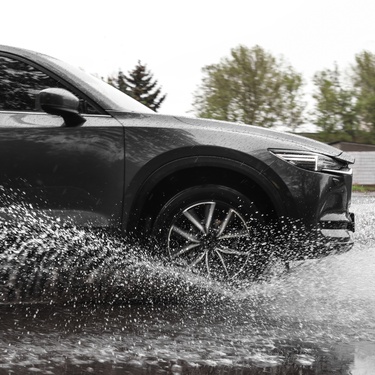
Most drivers understand that their tires are crucial for a safe ride. Yet, many overlook how significant weather changes can impact tire performance and overall driving safety.
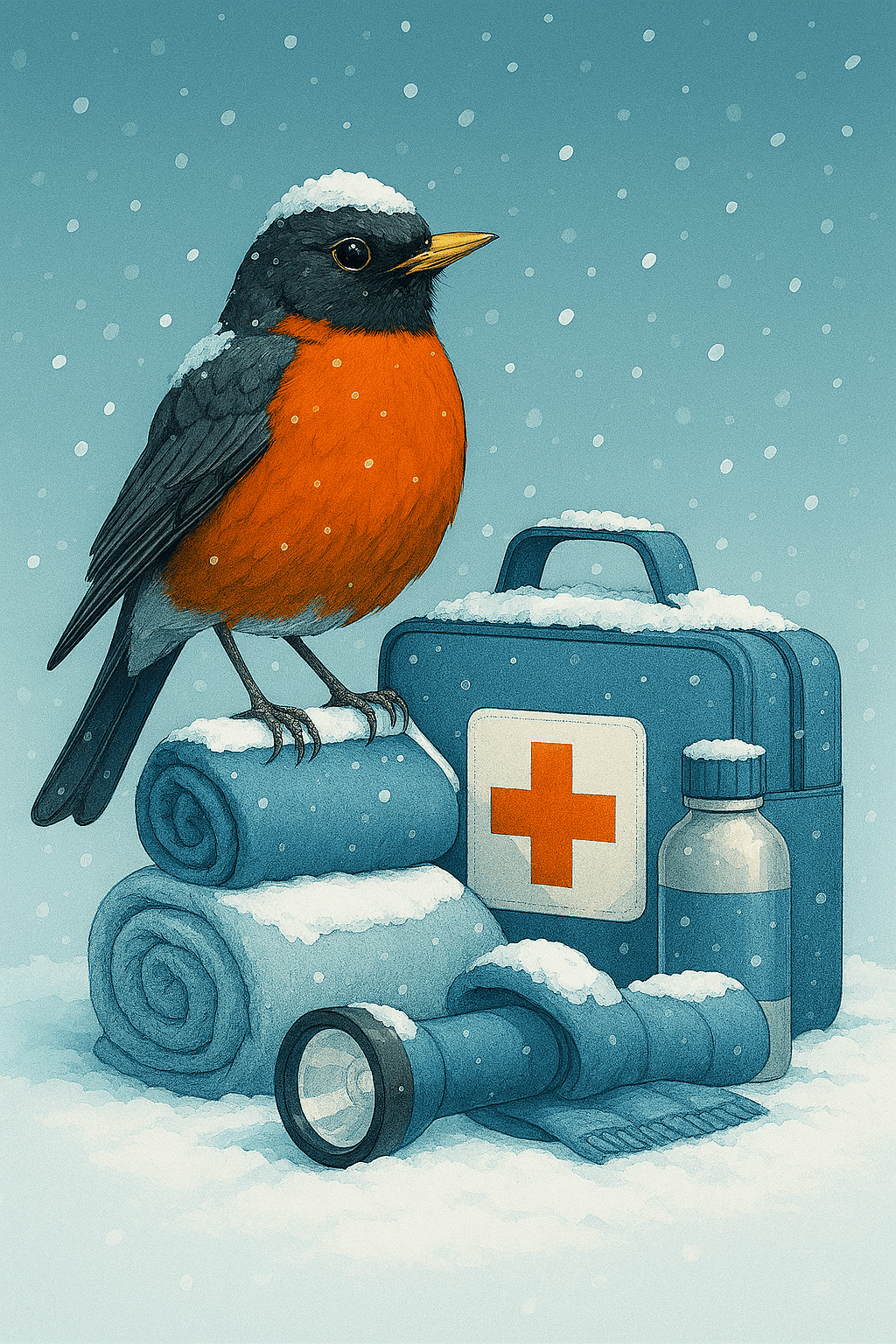
Winter storms are sweeping across the US, bringing snow emergencies in the Northeast and flooding in the Pacific Northwest. Stay safe with driving tips, shelter resources, and pet care guidance, plus direct links to emergency services.
Use official sources for live alerts and road conditions. Follow your local authorities' advice and guidance immediately by staying off roads or evacuating.
Current situation across the United States
Severe winter weather is affecting multiple regions across the country. In the Northeast, heavy snow and ice are creating hazardous travel conditions, while the Pacific Northwest is dealing with widespread flooding, evacuations, saturated ground, and powerful winds. Staying prepared, remaining aware of conditions, and knowing where to find shelter are essential for keeping both people and pets safe.