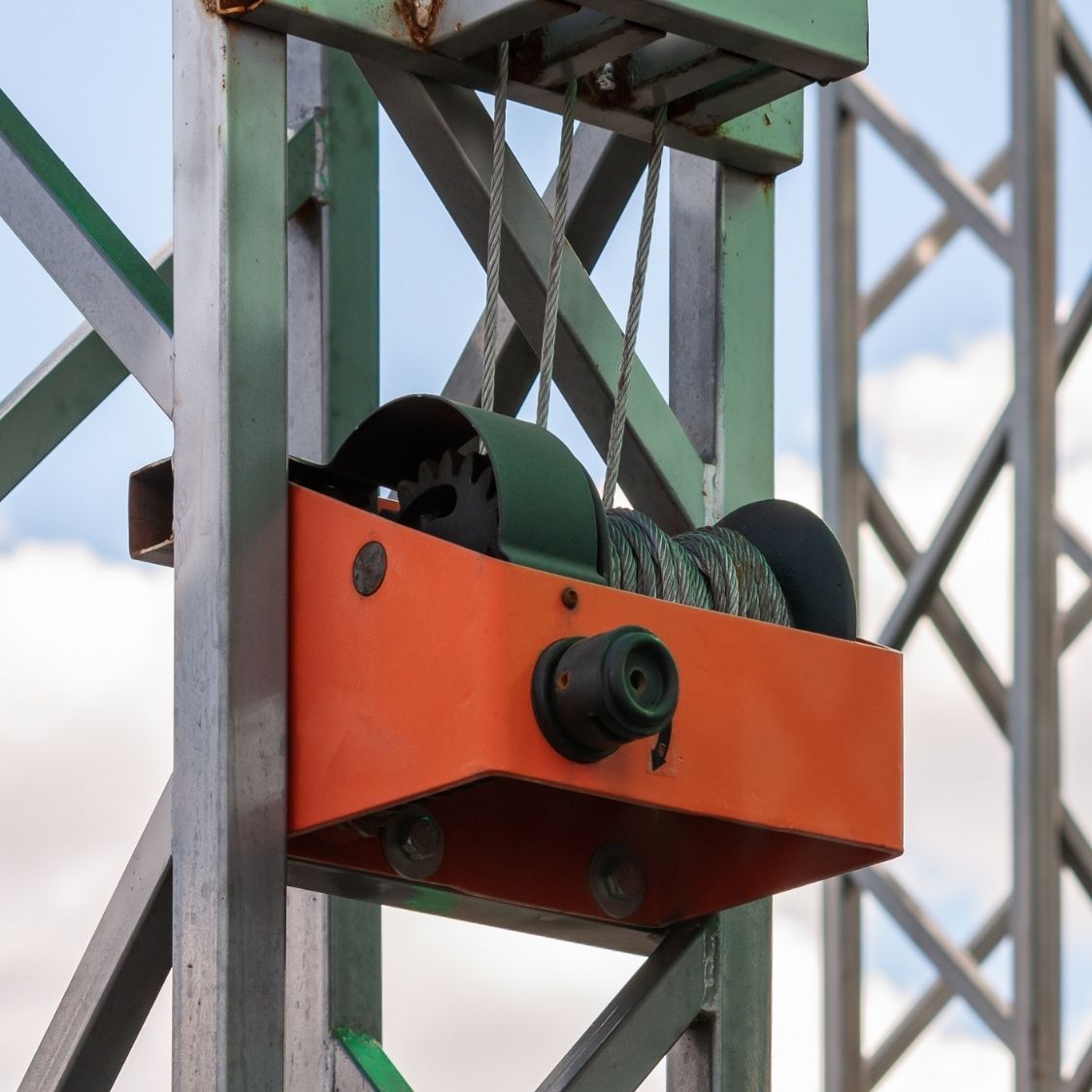
Being a repossession agent can be a complicated job. You can get into some heated situations and must find a way to operate quickly and efficiently. Without the proper tools, the job can become unnecessarily lengthy. One of the most important tools is the winch that hoists the car safely onto your truck for an efficient tow. There are a few options, and we’ll go over the differences between electric and hand winches below.
The Uses of Electric Winches
There are many tools arepossession agent might need in their arsenal. Electric winches are one of them. Electric winches are excellent in that they require no physical exertion. All you need to do is flip a switch, and it does the job for you. However, they often drain whatever battery you hook them up to rather quickly.
As a rule, they’re easier to install and transfer to other vehicles. Electric winches can also make lifting heavy loads quick and easy. However, they can be noisy and require regular maintenance and oiling to work properly. This maintenance can be costly and take up precious time for preparation that you might need to complete a repossession.
The Uses of Manual Winches
People typically operate hand or manual winches. Traditionally, you would take hold of the rope on one end and pull the load as required or wind it up yourself. When the load is light, hand winches can be a perfect choice. Manual winches are affordable, and since there’s no electrical equipment involved, malfunctions, sticking, and overheating will never be a problem. The mechanism is generally easy to use and simple to maneuver since it requires only a hand crank. However, your manual winch might not be the best choice for heavy loads, which is often the case for larger cars.
Which One Is Right for You?
While there are many differences between electric and hand winches, it would be wise to have access to both. Given the nature of the business, it’s obvious that electric winches will be your primary tool. However, if your electric winch is on the fritz, you’ll need to use the manual winch.
If you have a particularly heavy load—which will be the case in the repossession industry—you’ll need an electric winch used to haul cars. Yet manual winches can easily fit in your vehicle and tend to last longer. All in all, it’s up to you, but having both on hand will give you broad coverage to handle any situation you find yourself in.
In short, they each have their positive and negative traits, but you’ll likely use an electric winch that can lift heavy loads more often as a repossession agent. However, manual winches are a good backup, so be sure you have one in case your electric wench is on the fritz.
One moment you’re driving home. Next, you’re dealing with a sudden impact, a sore neck, a headache that won’t quit, and a stack of new decisions: medical visits, insurance calls, and whether you need a lawyer at all.
Across the U.S. and around the world, drivers are reporting that the roads seem more chaotic than ever. But the data tells a more complex story, one that blends progress, persistent risk, and the human stress behind every collision.
A single moment on the road can change everything.
The task of getting a good night’s sleep often feels simple in theory. However, many people struggle to achieve consistent rest. Modern life introduces a range of challenges that quietly interfere with sleep quality. Understanding five of the disruptors that may affect your ability to rest can help you recognize what stands between you and restorative sleep.
In an era dominated by digital campaigns and algorithm-driven visibility, businesses sometimes overlook the power of real-world connections. Yet brands can enjoy measurable results from face-to-face engagement and tactile experiences. Here are five offline marketing techniques your firm should use to build trust and recognition in ways that digital channels alone cannot achieve.
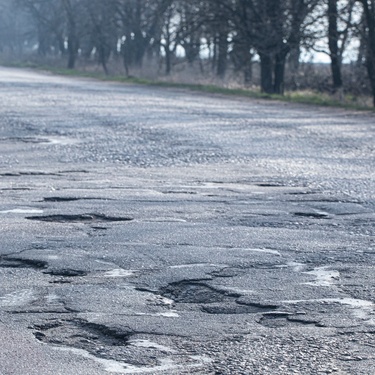
Daily driving depends on consistency, yet road conditions rarely stay predictable. Drivers face constant changes that shape how vehicles perform and how safely people travel. Rough pavement, hidden hazards, and neglected infrastructure create stress behind the wheel.
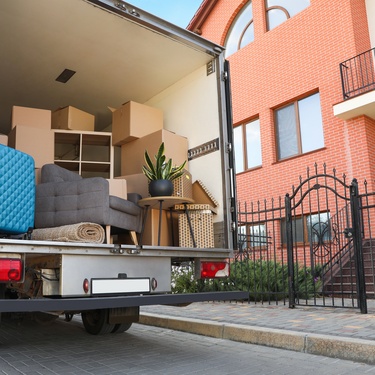
Moving into an older house can offer charm and unique architectural details that newer homes often lack. However, you need to understand the responsibilities that come with owning an aging property. Older homes require closer inspection, proactive maintenance, and thoughtful upgrades to ensure safety and long-term value.