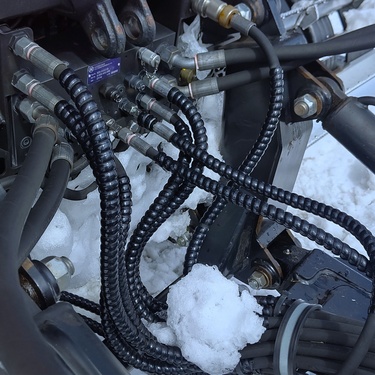
Winter weather presents a unique set of challenges for hydraulic systems. Cold temperatures can thicken hydraulic fluid, strain components, and slow down your operations. Proper maintenance is crucial to keep your equipment running smoothly and reliably through the colder months. These top tips will help you maintain hydraulic systems and prevent costly downtime in winter.
Keep Hydraulic Fluid at an Optimal Temperature
The viscosity of hydraulic fluid increases as the temperature drops, which makes it harder to pump and can strain your system. It is a good practice to warm up your equipment before putting it under a full load. You can do this by running the system at low pressure for about 15 to 20 minutes. Additionally, consider using tank heaters, immersion heaters, or in-line heaters to maintain a consistent fluid temperature and promote efficient operation.
Inspect for and Manage Condensation
Moisture is a major enemy of hydraulic systems. Temperature fluctuations between day and night can cause condensation to form inside the reservoir, contaminating the fluid. This water can freeze, form ice crystals, and damage pumps, valves, filters, and seals. On a related note, you should regularly check for water contamination and drain any accumulated water from the reservoir to protect your components.
Check Seals and Hoses for Damage
Cold temperatures can cause seals and hoses to become brittle and crack. A failed hose can bring your entire operation to a standstill. It’s important to conduct thorough inspections of all seals, hoses, and fittings. Look for any signs of cracking, abrasion, leaks, or stiffness. Proactively replacing worn components, and choosing the right hydraulic hose end, will prevent unexpected failures in the field.
Use the Correct Winter-Grade Hydraulic Fluid
Some hydraulic fluids are specifically formulated for low-temperature performance. These winter-grade or multi-viscosity fluids are designed to maintain their flow characteristics even when it gets cold. Consulting your equipment manufacturer’s recommendations is the best way to select the appropriate fluid for your operating conditions. Moreover, using the right fluid helps protect your system and supports optimal performance.
Store Equipment Properly
Proper storage is another key step in winter maintenance. Whenever possible, store your hydraulic machinery in a sheltered or heated environment to protect it from extreme cold, snow, and ice. If indoor storage isn’t an option, use high-quality, waterproof covers to shield the equipment. This simple step protects critical components, reduces the risk of moisture ingress, and makes startup easier.
Bio: Casey is a passionate copyeditor highly motivated to provide compelling SEO content in the digital marketing space. Her expertise includes a vast range of industries from highly technical, consumer, and lifestyle-based, with an emphasis on attention to detail and readability.