Most drivers understand that their tires are crucial for a safe ride. Yet, many overlook how significant weather changes can impact tire performance and overall driving safety.
Understanding how the weather affects your tires can help you drive more safely. This guide explains how different weather conditions affect your tires and provides practical tips to help you stay prepared for whatever the forecast holds.
Hot Weather and Your Tires
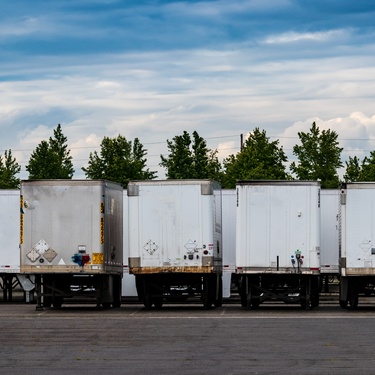
As temperatures rise, the air inside your tires expands. This can lead to overinflation, which creates several safety concerns.
- Reduced Traction: An overinflated tire has less contact with the road surface. The center of the tread bulges, lifting the tire's shoulders away from the pavement. This reduces your car's grip, making it harder to handle.
- Increased Blowout Risk: The combination of increased internal pressure and hot asphalt significantly raises the risk of a tire blowout. High temperatures soften the rubber, making it more susceptible to damage from road debris or structural failure.
Safety Tips for Hot Weather
Monitor your tire pressure frequently, preferably in the morning when the tires are cool. Adjust the pressure to the manufacturer's recommended level, which can be found on a sticker inside the driver's side door or in your owner's manual.
Before long drives, visually inspect your tires for any signs of damage, such as cracks, bulges, or embedded objects.
Wet Conditions and Your Tires
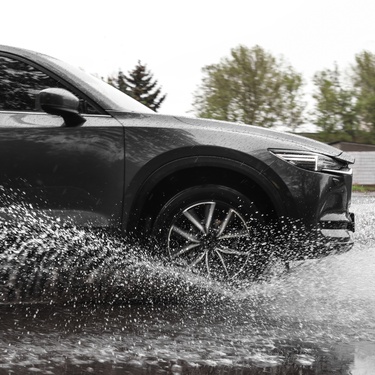
Rain and wet roads significantly reduce the friction between your tires and the road, increasing the risk of hydroplaning.
- Hydroplaning: This occurs when a layer of water builds up between your tires and the road surface, causing a loss of traction and control. It can happen at speeds as low as 35 mph if your tire treads are worn.
- Reduced Braking Ability: Water on the road increases your stopping distance. Tires with good tread depth are essential for channeling water away and maintaining contact with the pavement.
Safety Tips for Wet Weather
Your tire’s tread depth is vital to avoiding hydroplaning during wet weather. Check your tires regularly to ensure they have adequate tread depth and aren’t balding. Balding occurs when the tread wears to nothing. There are a variety of dangers to driving on bald tires, exacerbated by wet weather.
Cold Weather and Your Tires
Cold weather presents a different set of challenges. As temperatures drop, the air inside your tires contracts, causing them to become underinflated.
- Decreased Handling: Underinflated tires have a larger contact patch, but they are also less responsive. The sidewalls flex more than they should, leading to sluggish steering and reduced stability, particularly at higher speeds.
- Increased Wear and Tear: An underinflated tire wears out more quickly on the outer edges. The increased friction also generates more heat, which can lead to internal damage over time.
Safety Tips for Cold Weather
Cold weather can reduce pressure, so check your tires often in the winter. Also, if you live in an area with frequent snow and ice, switching to winter tires is a smart move. They are made from a softer rubber compound that stays flexible in the cold, providing superior traction.
A Proactive Approach to Tire Safety
During bad weather, your tires are a vital component of safe driving. With these basic tips, you can ensure a safer driving experience year-round. Stay informed, stay prepared, and drive safely.
Bio: Casey is a passionate copyeditor highly motivated to provide compelling SEO content in the digital marketing space. Her expertise includes a vast range of industries from highly technical, consumer, and lifestyle-based, with an emphasis on attention to detail and readability.