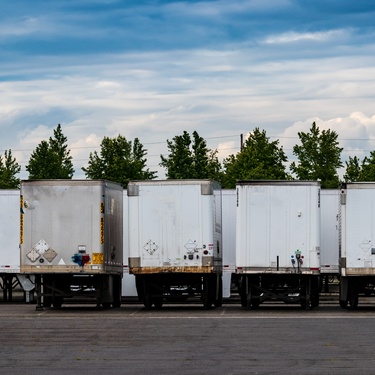
Every mile counts on the road, but what happens when the wheels stop turning matters just as much. For trucking companies, trailers are revenue-generating assets that must be taken care of. That means ignoring where and how you store them is a silent profit killer.
In order to get this right, companies must find ways to protect their fleet, streamline their operations, and keep their bottom line healthy. Knowing these things about trailer storage should help your trucking business do all of this and more.
The Importance of Proper Trailer Storage
Think of storage as a strategic pit stop, not a graveyard for idle equipment. An organized storage strategy reduces the time drivers spend hunting for the right unit, which directly boosts operational efficiency. When drivers can hook up and go without navigating a chaotic yard, deadhead miles drop and on-time deliveries rise.
Beyond logistics, the physical environment plays a massive role in asset longevity. Secure, paved storage prevents common issues like tire rot, rust, and mud damage. By protecting the equipment from harsh ground conditions, you save thousands in premature maintenance costs over the trailer’s lifespan.
Types of Trailer Storage Options
One size rarely fits all in logistics, which is why trucking businesses should know that the market offers several configurations when it comes to trailer storage. To start, on-site storage offers immediate access and control but requires significant real estate and maintenance. Off-site yards can be more cost-effective and scalable, though they add travel time to your routes.
You must also consider protection levels. While uncovered lots are the industry standard and are budget-friendly, covered storage is a premium choice worth considering for high-value or temperature-sensitive equipment. Fortunately, both options should offer features such as security guards and fences.
Finally, you have the financial decision between leasing space and owning a facility. Leasing offers flexibility for fluctuating fleet sizes, but you need to decide if short- or long-term trailer parking is right for you. Owning a facility will save you from worrying about storage timeframes, but it will increase the amount of money you need to invest in it.
Regulatory and Compliance Factors
Before you park the first rig, you must audit the legal landscape. Zoning laws are often strict about where you can store commercial heavy vehicles, particularly if the lot is near residential zones. Ignorance here can lead to hefty municipal fines or forced relocation.
Environmental compliance is equally strict. You need to ensure the facility has proper drainage systems to manage storm runoff and prevent ground contamination. Furthermore, if your fleet handles hazardous materials, specific storage regulations regarding spacing and containment must be met to avoid federal penalties.
Bio: Casey is a passionate copyeditor highly motivated to provide compelling SEO content in the digital marketing space. Her expertise includes a vast range of industries from highly technical, consumer, and lifestyle-based, with an emphasis on attention to detail and readability.