Supply chains are unpredictable. One month, inventory moves slowly; the next, a seasonal spike floods the loading dock. If your storage system is rigid, these fluctuations create chaos rather than revenue. A static warehouse is a liability in an industry defined by movement and speed, so it is vital that you future-proof your warehouse storage equipment.
Future-proofing isn't about predicting the next decade perfectly. It is about building a system that bends without breaking. This approach ensures your facility remains efficient regardless of changing market demands or inventory types.
Prioritize Modular Racking Systems
The days of welding racks into permanent positions are over. To remain agile, you need a storage infrastructure that can be disassembled, moved, and reconfigured with minimal downtime. Modular racking systems offer this flexibility.
As your product mix changes, so do your storage needs. You might shift from palletized bulk goods to smaller, individual items requiring bin shelving. Modular systems allow you to adjust beam heights or aisle widths without tearing down the entire warehouse. This adaptability is just one of many reasons to choose modular racking for your warehouse.
Maximize Vertical Cubic Footage
Real estate is one of the highest costs in logistics. Expanding outward requires acquiring more land or leasing a larger building, which is expensive and often disruptive. The smarter solution is to grow upward.
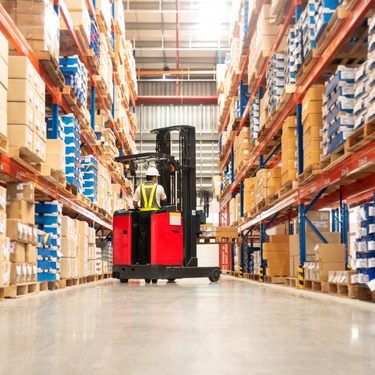
Review your facility's clear height—the usable height from the floor to the lowest-hanging object, such as lights or sprinklers. Many warehouses utilize only the bottom 10 feet of a 30-foot building. Installing high-bay racking or mezzanine levels instantly multiplies your usable square footage.
Integrate Scalable Warehouse Management Systems (WMS)
Physical storage is only half the equation. The software that manages your inventory must be just as flexible as your racking. A robust Warehouse Management System (WMS) serves as the brain of your operation.
Avoid legacy systems that are difficult to update. Instead, choose cloud-based WMS solutions that offer scalability. These platforms update automatically and can easily integrate with new technologies as they emerge.
A future-proof WMS provides real-time data visibility, allowing you to optimize slotting strategies dynamically. If a specific SKU becomes a bestseller overnight, your system should help you reposition it near the shipping dock immediately to reduce travel time.
Building a Resilient Operation
Future-proofing your warehouse is an ongoing process of evaluation and adjustment. It requires shifting your mindset from viewing storage as a fixed asset to viewing it as a fluid, adaptable tool.
A flexible warehouse allows you to say "yes" to new opportunities, handle unexpected volume, and maintain peak efficiency through it all. Start by auditing your current setup today to identify where rigidity is holding you back.
Bio: Casey is a passionate copyeditor highly motivated to provide compelling SEO content in the digital marketing space. Her expertise includes a vast range of industries from highly technical, consumer, and lifestyle-based, with an emphasis on attention to detail and readability.