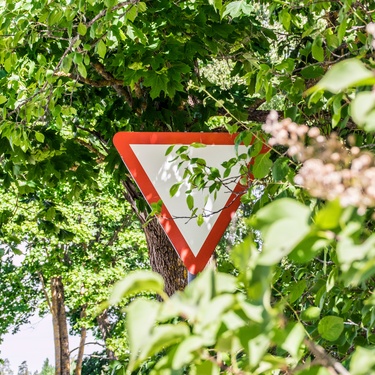
We often think of nature as a peaceful backdrop to our daily lives—lush parks, tree-lined streets, and vibrant forests. However, if left unchecked, plant growth can compromise public safety.
With the proper procedures in place, teams can transform wild, overgrown spaces into managed assets, ensuring that nature coexists safely with urban infrastructure. To help you achieve this in your community, we’re here to cover the basics of how vegetation management improves public safety.
Reducing Fire Hazards
One of the most immediate threats posed by unmanaged vegetation is the risk of wildfire. Dry brush, dead limbs, and overgrown grass act as dense fuel sources that can turn a small spark into an uncontrollable blaze. Proper vegetation management creates essential buffer zones around communities.
Techniques like selective thinning and the removal of “ladder fuels”—low-hanging branches that allow fire to climb into the tree canopy—drastically reduce fire intensity. In some regions, prescribed or controlled burns are used creatively to clear out underbrush, restoring ecological balance while simultaneously starving potential wildfires of the fuel they need to spread. In other areas, though, you might need to utilize specific utility and railroad right-of-way clearing techniques.
Maintaining Clear Sightlines
On roadways, visibility is synonymous with safety. An overgrown shrub at an intersection or a low-hanging branch obscuring a stop sign can have fatal consequences. Vegetation management is critical for maintaining the “sight triangles” that allow drivers to see oncoming traffic, pedestrians, and cyclists.
Regular trimming ensures that road signs remain visible and that streetlights can effectively illuminate sidewalks at night. This is particularly vital for the safety of cyclists and pedestrians, who are most vulnerable when obscured by dense foliage. By keeping sightlines open, communities can significantly reduce traffic accidents and create a more navigable environment for everyone.
Protecting Critical Infrastructure
Our modern lives depend on an overly complex grid of wires and cables, most of which are vulnerable to the natural world. Trees growing too close to power lines are a leading cause of outages, particularly during storms when high winds can snap branches or uproot entire trees. Proactive pruning programs prevent these interruptions, ensuring that hospitals, emergency services, and homes maintain power during severe weather.
Beyond electricity, managing vegetation prevents root intrusion into underground pipes and protects communication lines from abrasive damage. It is a strategic investment that fortifies the community’s lifeline against the unpredictability of nature.
Mitigating Flood Risks
Water needs a clear path to flow, especially in urban environments where concrete surfaces increase runoff. When drainage ditches, culverts, and storm channels become choked with invasive weeds or debris from overgrown banks, water backs up quickly.
Vegetation management improves public safety in this area by ensuring these hydraulic systems function as designed. By clearing obstructions from waterways and maintaining healthy, stable banks that resist erosion, municipalities can prevent the flash flooding that threatens homes and businesses. This is especially important when it comes to storm preparedness, ensuring that heavy rains wash away safely rather than pooling in the streets.
Bio: Casey is a passionate copyeditor highly motivated to provide compelling SEO content in the digital marketing space. Her expertise includes a vast range of industries from highly technical, consumer, and lifestyle-based, with an emphasis on attention to detail and readability.