By late summer, Halloween events 2026 will begin filling calendars well before the first jack-o'-lantern appears on a porch. Major haunted attractions often release timed tickets early, destination events can sell out popular October weekends, and family festivals may require reservations for pumpkin patches, hayrides, or trick-or-treat trails. Planning ahead is less about taking the fun out of Halloween and more about avoiding a night spent in traffic, ticket lines, or sold-out queues.
For readers tracking entertainment, travel, local news, and seasonal activities in one place, the useful question is not simply which event looks scariest. It is which event fits your group, budget, location, weather tolerance, and preferred level of fright.
Halloween Events 2026: Dates to Watch
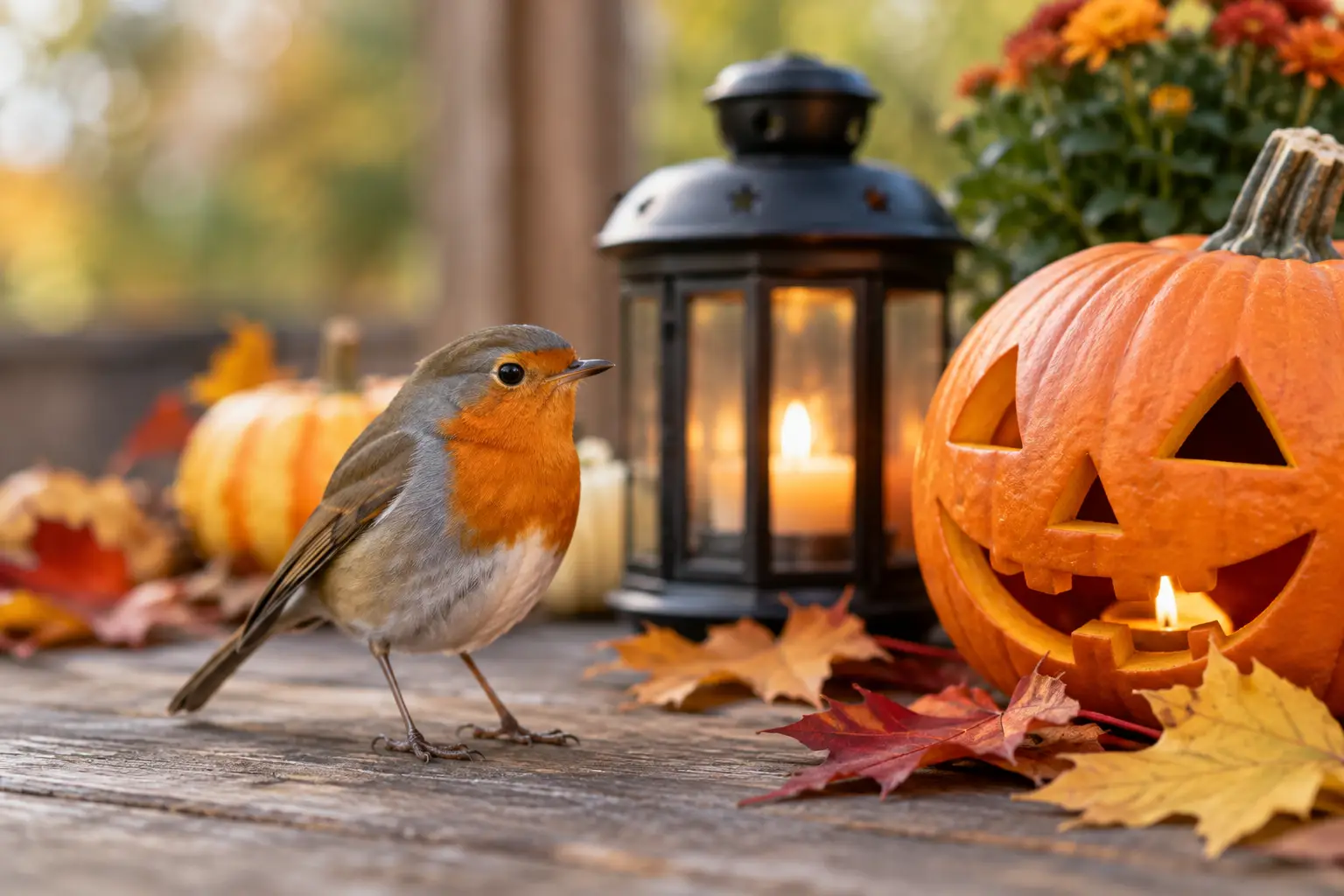
Halloween falls on Saturday, October 31, 2026. That matters because the biggest crowds will likely concentrate across the final two weekends of October, especially Friday, October 30, and Halloween night itself. Many seasonal attractions are expected to open in September, while community events and neighborhood celebrations may cluster around the final week of the month.
Exact schedules vary by city and organizer, and dates can change due to weather, permits, staffing, or local safety decisions. Check an event's current announcement before making nonrefundable travel plans. A listing that was accurate in spring may look very different by October.
The early planning calendar usually follows a familiar pattern:
- Spring and early summer: Large theme parks, destination haunted houses, and major city parades begin teasing themes, dates, and hotel packages.
- Late summer: Timed-entry tickets, VIP passes, seasonal food events, and many family attraction calendars become available.
- September: Haunted houses, corn mazes, and fall festivals begin opening, often with lower crowds on weeknights.
- October: Local libraries, downtown districts, museums, zoos, schools, and community groups publish final details for free or low-cost events.
The Saturday date creates a trade-off. It is ideal for costumes, parties, and late-night events, but it can also mean higher ticket prices, traffic restrictions, and packed venues. If flexibility matters more than being there on Halloween itself, a Wednesday or Thursday visit can offer shorter lines and easier parking.
Choose the Right Kind of Halloween Outing
A strong Halloween plan starts with the experience rather than the event name. A nationally known attraction may be worth the trip for serious horror fans, while a smaller neighborhood event may deliver a better night for families with young children. The right choice depends on who is going and what they want to remember afterward.
Haunted houses and scare attractions
Professional haunted houses, haunted trails, escape rooms, and immersive horror experiences are designed around intensity. Look closely at age recommendations, accessibility information, strobe-light warnings, physical-contact policies, and whether actors can follow guests through parts of the attraction. “No touching” does not always mean low intensity.
Timed admission is increasingly common. Buy only from the official event source, confirm the entry window, and allow extra time for parking and security. Premium passes can reduce wait times, but they are not always worthwhile on a less crowded weeknight. Before paying more, compare the expected line length, operating hours, and whether the venue offers a return-time system.
Theme parks and large-ticket events
Halloween programming at theme parks can combine haunted mazes, scare zones, live shows, themed food, and family daytime activities. These events offer a lot in one location, but costs add up quickly once parking, food, express access, lodging, and merchandise enter the picture.
Read the ticket rules carefully. Some Halloween nights require separate admission even if the park is open during the day. Others have different age guidance for daytime and after-dark programming. A family-friendly fall festival in the afternoon may become a more intense event after sunset.
Family festivals, zoos, and community celebrations
For younger children, daytime events are often the better bet. Pumpkin patches, harvest festivals, zoo trick-or-treat nights, costume walks, story times, and decorated train rides can provide the Halloween atmosphere without jump scares or very late hours.
Even free gatherings may have limits on capacity, parking, candy distribution, or stroller access. Community organizers also sometimes move events indoors or cancel them during heavy rain. Bring layers, choose comfortable shoes, and check whether costumes need to be weather-ready. A flowing costume looks great in a photo but may not work well on a muddy farm path.
Parades, street parties, and citywide celebrations
Big-city Halloween parades and nightlife districts bring spectacle, music, elaborate costumes, and large crowds. They also require more situational awareness than a ticketed attraction. Arrive with a meeting plan, keep phones charged, know public transit alternatives, and avoid carrying bulky props that are likely to be restricted.
Street events can be excellent for adults and older teens who want energy and people-watching rather than a structured attraction. They can be less suitable for small children, anyone sensitive to noise and crowds, or visitors who need predictable restroom and seating access.
Build a Plan That Works on the Night
The difference between a smooth outing and a frustrating one is usually decided before leaving home. Start by confirming the basics: date, location, entry time, age policy, parking arrangements, bag rules, and rain policy. Screenshot tickets and directions in case cell service is slow near a crowded venue.
For groups, agree on one realistic arrival time. The person in costume makeup or the family traveling with children should set the schedule, not the friend who says they can get ready in five minutes. If dinner is part of the plan, reserve it or eat early. Restaurants near major attractions can become bottlenecks on peak weekends.
Costume choices deserve practical attention. Test masks for visibility, avoid dragging fabric near escalators or crowded sidewalks, and add a lightweight jacket if evening temperatures are likely to drop. Reflective tape, a small flashlight, or a light-up accessory can help on dark walkways without ruining the look.
Parents should make an identification plan for children before entering a busy event. Put a contact number in a pocket or on a wristband, take a current photo before leaving, and designate a clear reunion location. For teens attending with friends, discuss transportation, check-in expectations, and what to do if the group becomes separated.
Budget for More Than the Ticket
A $30 admission can become a $100 night faster than expected. Parking fees, ride-share surge pricing, food, coats or costume replacements, arcade games, photos, and skip-the-line upgrades all change the final number. For destination events, the biggest expense may be lodging on a peak October weekend.
Set a total spending limit before purchasing tickets. If the event is a must-do, consider saving by going on an off-peak night, eating before arrival, using public transit, or choosing general admission instead of a VIP package. If the goal is simply a memorable seasonal outing, local events often offer better value than expensive travel.
Free events are not automatically the cheapest option, either. A long drive, paid parking, food vendors, and impulse purchases can erase the savings. Compare the full evening, not just the listed admission price.
Follow Local Updates and Safety Notices
Halloween programming is shaped by local conditions. Severe weather can close outdoor trails and parades. Road work can alter traffic routes. Public safety agencies may issue restrictions on bags, costume props, alcohol, or street access around large gatherings. These are not minor details when thousands of people are expected in one area.
Use local event calendars and current news coverage to watch for schedule changes in the days before an outing. RobinsPost readers who follow entertainment, travel, and local updates can benefit from checking several sources rather than relying on an old social post or search snippet. For major events, review organizer announcements on the day of the event as well.
Be careful with ticket resales and unofficial promotions. If a deal seems unusually cheap, confirm the event is real, the date is correct, and the ticket can actually be transferred. Keep purchase confirmations available, but do not post barcodes or order details publicly.
Make Halloween 2026 Feel Like Your Own
The best Halloween events do not have to be the loudest, most expensive, or most photographed. A well-timed haunted trail with friends, a daytime pumpkin festival with kids, or a local parade where everyone commits to a costume can be the right call. Choose the event that matches the people going, leave room for weather and crowds, and give yourself enough time to enjoy the strange, playful parts of the season.