Earth Day, celebrated annually on April 22nd, began in 1970 as a response to growing environmental concerns. The movement was spearheaded by U.S. Senator Gaylord Nelson, who sought to raise awareness about environmental issues and inspire action. The first Earth Day saw 20 million Americans rallying for environmental reform, marking the birth of the modern environmental movement. Over the decades, Earth Day has grown into a global event, uniting people from all walks of life in the shared mission of protecting our planet.
How to Celebrate Earth Day
Earth Day 2025 offers countless opportunities to honor our planet and contribute to its well-being. Here are some meaningful ways to celebrate:
Participate in Community Cleanups: Join local efforts to clean parks, beaches, or neighborhoods.
Plant Trees: Trees play a crucial role in combating climate change by absorbing carbon dioxide and providing oxygen.
Reduce, Reuse, Recycle: Commit to minimizing waste by adopting sustainable practices in your daily life.
Support Environmental Organizations: Donate to or volunteer with groups dedicated to conservation and sustainability.
Educate and Advocate: Host workshops, share information on social media, or write to policymakers about the importance of environmental protection.
Improving Our Environment in a Polluted World
In today's world, pollution poses a significant threat to ecosystems and human health. Here are some strategies to make a positive impact:
Adopt Renewable Energy: Transition to solar, wind, or other renewable energy sources to reduce reliance on fossil fuels.
Conserve Water: Fix leaks, use water-efficient appliances, and practice mindful water usage.
Reduce Plastic Use: Opt for reusable bags, bottles, and containers to decrease plastic waste.
Promote Sustainable Transportation: Walk, bike, carpool, or use public transit to lower greenhouse gas emissions.
Support Eco-Friendly Businesses: Choose products and services from companies committed to sustainability.
Looking Ahead
Earth Day 2025 serves as a reminder of our collective responsibility to care for the planet. By taking action today, we can ensure a healthier, more sustainable future for generations to come. Whether through small daily changes or larger community initiatives, every effort counts in the fight against environmental degradation.
Supply chains are unpredictable. One month, inventory moves slowly; the next, a seasonal spike floods the loading dock. If your storage system is rigid, these fluctuations create chaos rather than revenue. A static warehouse is a liability in an industry defined by movement and speed, so it is vital that you future-proof your warehouse storage equipment.
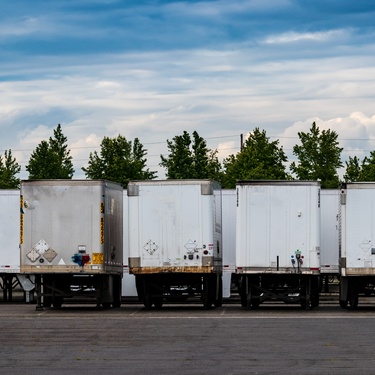
Every mile counts on the road, but what happens when the wheels stop turning matters just as much. For trucking companies, trailers are revenue-generating assets that must be taken care of. That means ignoring where and how you store them is a silent profit killer.
Buying farmland for the first time is an exciting venture, opening up possibilities from starting a family farm to making a long-term investment. But before you plant your first seed or bring in livestock, it’s crucial to do your homework. A successful purchase depends on more than just the price tag. Here are five essential things every first-time farmland buyer should know to make a wise and informed decision.
Most drivers understand that their tires are crucial for a safe ride. Yet, many overlook how significant weather changes can impact tire performance and overall driving safety.
Winter storms are sweeping across the US, bringing snow emergencies in the Northeast and flooding in the Pacific Northwest. Stay safe with driving tips, shelter resources, and pet care guidance, plus direct links to emergency services.
Use official sources for live alerts and road conditions. Follow your local authorities' advice and guidance immediately by staying off roads or evacuating.
Current situation across the United States
Severe winter weather is affecting multiple regions across the country. In the Northeast, heavy snow and ice are creating hazardous travel conditions, while the Pacific Northwest is dealing with widespread flooding, evacuations, saturated ground, and powerful winds. Staying prepared, remaining aware of conditions, and knowing where to find shelter are essential for keeping both people and pets safe.