Rockin Robin SongFlying The Web For News.


Global World Topics

Benefits of Replacing Your Cracked Windshield

When you least expect it, you can find a complete fracture in the integrity of your windshield. A common concern for many is the overall safety of driving around with a cracked pane of glass. While you may be mostly okay to carry on, the benefits of replacing the cracked windshield outweigh the risks.

Visual Clarity

A crack of any size or kind can drastically impair a driver’s visual clarity. Regardless of the crack’s location, a driver uses the entire pane to monitor the surroundings. An untreated crack can alter the perception or image of the environment, lead to decreased clarity, and reduce the safety of driving the vehicle. Promptly replacing a cracked windshield can help avoid this situation altogether.

Safety Factors

Once the visual clarity decreases, safety is the most significant risk factor—not only for the driver, but also for those who share the road. The vehicle’s overall integrity is in jeopardy when the windshield experiences damage. So, while it may seem okay to drive around town like normal, the glass is subject to weakness and increased damage at any moment.

For example, the vehicle’s framing and roofing support passengers in collisions or rollover scenarios. With a crack in the windshield, the roofing and framing have less support than intended and will crumble faster than if the windshield was in perfect condition.

Loss of Seal

If you live in a climate that experiences altering weather patterns—particularly rain, snow, or sleet, the—total loss of seal on a cracked windshield is a large area of concern. Depending on the deviation to the glass, rain can seep through the crack and enter the vehicle. This effect can damage the interior and create an unpleasant traveling experience.

The Risks of Cold Weather

In addition to altering weather patterns, temperature fluctuations can dramatically increase the damage to a cracked windshield, specifically if these fluctuations occur daily. The glass will contract and expand in varying temperatures, so when the glass has a deviation, the contracting and expansion will happen to each piece, increasing damage and safety risks.

It’s essential to have a damaged windshield inspected thoroughly by a professional and replaced. There are instances where repairs will work, but more times than not, replacing the window is the safest option. The benefits of the replacement far outweigh the risks, especially when the weather conditions are unreliable.


More News From This Category
America After the 2026 Midterms: What Voters Are Saying and What Comes Next
Thu, 05 Nov 2026 08:04:28 +0000

The ballots are still being counted in some races, but one thing is already clear: the 2026 midterm elections have reshaped the political conversation in America and begun the long road toward the 2028 presidential election.

Across the country, voters turned out to express their views on the economy, affordability, immigration, healthcare, public safety, government spending, foreign policy, and the overall direction of the nation. While political strategists will spend months analyzing voting trends and demographic shifts, many Americans are already asking a simpler question: "What happens now?"

The answer may determine not only the success of the next Congress but also the future of both major political parties.


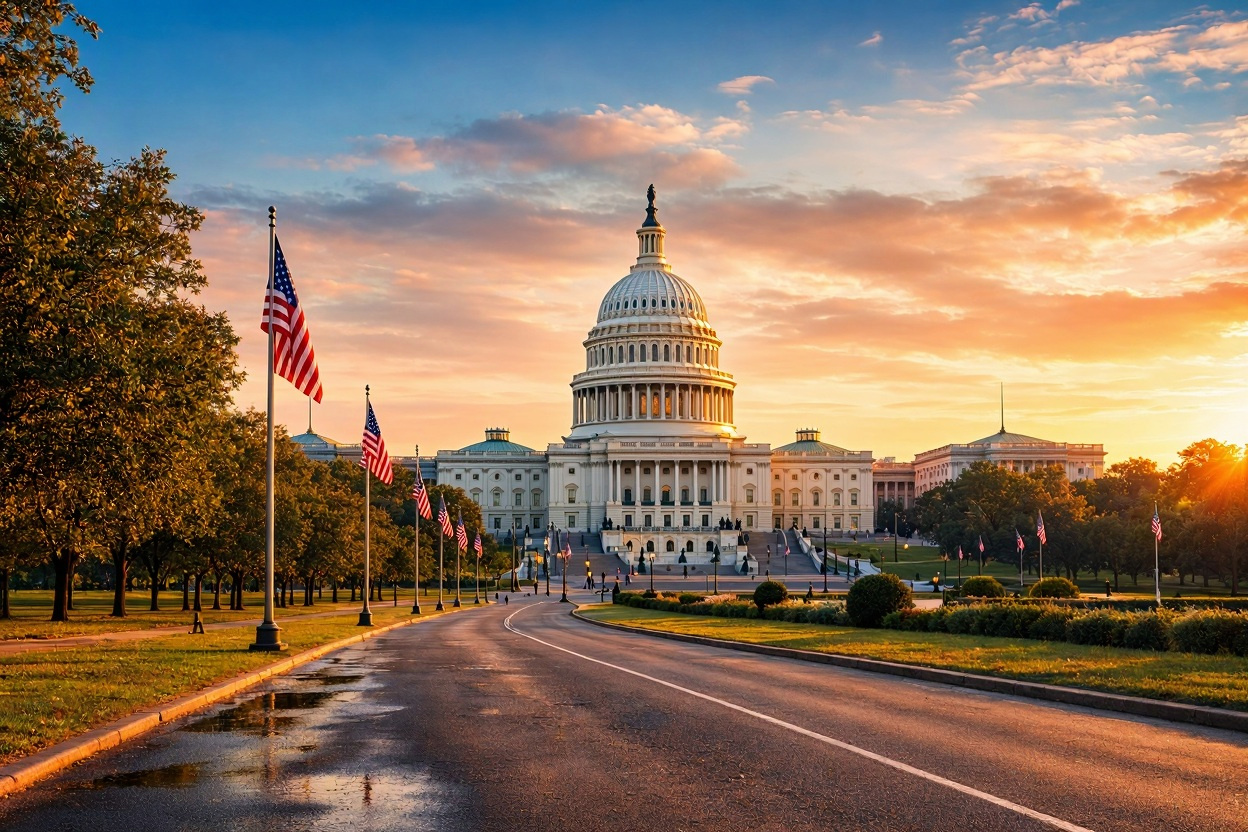
United States Capitol Building

Read More ...


How to Follow Travel Advisories Without Overreacting
Thu, 05 Nov 2026 05:10:25 +0000

A warning about a destination can arrive after flights are booked, hotels are paid for, and a carefully planned trip is only days away. That is when knowing how to follow travel advisories matters most. The goal is not to react to every alarming headline or assume an entire country is unsafe. It is to turn official information into a practical decision for your specific route, dates, activities, and circumstances.

Travel advisories are designed to help people recognize risk. They are not personal orders, and they rarely tell the full story of what a traveler will encounter. Read them early, check them again before departure, and use them alongside reliable local updates. A calm, informed approach can protect both your safety and your trip.


How to Follow Travel Advisories Without Overreacting

Start With the Official Advisory

For U.S. travelers, begin with the U.S. Department of State travel advisory for the country or territory you plan to visit. Its four-level system offers a quick starting point: Level 1 means exercise normal precautions; Level 2 means exercise increased caution; Level 3 means reconsider travel; and Level 4 means do not travel.

That number is useful, but it is not the whole decision. Read the explanation below the rating. An advisory may be driven by crime in a limited area, civil unrest around demonstrations, a health concern, terrorism risk, weak emergency services, or an event that affects only certain regions. A Level 2 advisory for a large destination does not automatically mean a beach resort, business district, or family itinerary faces the same risk.

Also check health guidance from the Centers for Disease Control and Prevention when illness, vaccination requirements, food safety, or medical access could affect your plans. Weather agencies, transportation authorities, and the destination country's tourism or emergency management offices can add useful detail during hurricanes, wildfires, severe winter weather, and major disruptions.

How to Follow Travel Advisories by Location

The most common mistake is treating a countrywide alert as if every neighborhood has identical conditions. Before changing plans, compare the advisory with your actual itinerary.

Look for named states, provinces, cities, border areas, roads, islands, or transit hubs. A warning may specifically advise against travel near a border while your trip is centered hundreds of miles away. On the other hand, a seemingly limited notice can matter greatly if it covers the airport you need, a connecting city, or the highway between your hotel and a planned excursion.

Map out the practical points of your trip: arrival airport, lodging, internal flights, driving routes, day trips, cruise ports, and late-night transport. This is especially useful when an advisory cites kidnapping, armed conflict, demonstrations, or infrastructure problems. Risk often changes from place to place and from day to night.

If you are visiting more than one country, review each advisory separately. A smooth stay in one destination does not mean an overland crossing or regional flight is equally straightforward. Travelers sometimes focus only on their final destination and overlook a transit location where entry rules, political tension, or airport closures can create the real problem.

Read the Reason, Not Just the Rating

An advisory rating is a signal. The details tell you what action may be sensible.

For crime-related warnings, the key questions are usually where incidents occur, whether they involve tourists, and whether normal precautions can reduce exposure. Staying in established accommodations, using reputable transportation, avoiding isolated areas after dark, and keeping valuables out of sight may be enough for some itineraries. But a warning involving express kidnappings, carjackings, or attacks on major routes deserves a higher level of caution, particularly for independent road trips.

For civil unrest, look at the timing and location of protests. Demonstrations can be peaceful until they are not, and transport disruptions may matter even if you are nowhere near a rally. Avoid crowds, monitor local news, allow extra time for airport transfers, and do not assume a planned route will remain open.

For health alerts, consider your own needs. A destination with limited medical care presents a different calculation for a healthy adult taking a short city break than for a traveler who needs dialysis, uses temperature-sensitive medication, is pregnant, or is traveling with a young child. Travel insurance, medication supplies, and knowledge of nearby care can be as important as the advisory itself.

Build a Small, Reliable Information Routine

Constant checking can make travel feel more dangerous than it is. Instead, create a simple routine that keeps you informed without feeding anxiety.

Check official advisories when you first research a trip, when you book nonrefundable arrangements, about a week before departure, and again 24 to 48 hours before leaving. Once on the ground, review updates each morning if conditions are unsettled. For a stable destination, a quick check every few days is usually enough.

Use more than one credible source when an alert is developing. Official government notices should guide safety decisions, while local authorities and established news reporting can explain what is happening on the ground. Social media can provide fast eyewitness information, but it can also recycle old video, exaggerate isolated incidents, or spread misinformation. Treat it as a lead to verify, not as a final answer.

If you are a U.S. citizen traveling internationally, enroll in the State Department's traveler enrollment service before departure. It can help the nearest embassy or consulate contact you during an emergency and allows you to receive destination-specific notices. Share your itinerary and contact details with someone at home as well, especially if you will be moving between cities or hiking in remote areas.

Decide What Needs to Change

An advisory does not always require cancellation. Sometimes the safest and most sensible response is a smaller adjustment: change a hotel, skip a border excursion, book an earlier flight, use a driver instead of renting a car, or avoid travel after dark.

Reconsider or postpone a trip when the advisory identifies a serious threat that directly overlaps with your plans and cannot be reasonably managed. Examples include active armed conflict, widespread violence, a major evacuation order, severe infrastructure breakdown, or a health emergency that would make needed care unavailable. A Level 4 notice is a strong reason not to travel, but personal circumstances can also justify cancelling at lower levels.

Cost matters, and it is reasonable to review airline, hotel, tour operator, and insurance terms before making a final choice. Still, do not let a nonrefundable booking become the only factor in a safety decision. Travel insurance may cover some disruptions, but coverage varies widely and often excludes foreseeable events or destinations already under warnings when the policy was purchased. Read the policy language rather than relying on a broad promise of “trip protection.”

Prepare for the Risk You Actually Face

Good preparation should match the advisory. If the concern is petty theft, focus on secure bags, backup payment methods, and copies of documents. If it is severe weather, prioritize flexible transport, emergency alerts, water, power banks, and a plan for shelter. If instability is the issue, keep a lower profile, avoid political discussions and crowds, and know how you would leave your area if transport stopped running.

Carry your passport, critical medications, emergency contacts, and insurance information in a way that remains accessible if your phone is lost or your bags are delayed. Keep digital copies in a secure account and leave copies with a trusted contact. Save the contact information for the nearest U.S. embassy or consulate before you need it.

There is also a difference between being prepared and broadcasting your plans. Publicly posting your hotel, daily route, or real-time location can create unnecessary exposure. Wait until after an activity to share it, particularly in places where crime or harassment is a concern.

Keep Perspective When News Is Moving Fast

Breaking news rewards urgency, while travel decisions require context. A dramatic event may be real and serious without affecting every visitor in a destination. Conversely, a quiet official update may signal a meaningful change that deserves attention even when it is not leading the news cycle.

RobinsPost readers tracking international headlines can use broad news coverage to spot developing events, then return to official travel and local authority guidance before changing an itinerary. The useful question is not simply, “Is this country safe?” It is, “What is happening, where is it happening, how likely is it to affect my trip, and what can I do about it?”

That approach leaves room for uncertainty without turning every warning into a crisis. Stay informed, make a plan you can carry out, and give yourself permission to change course when the facts call for it. The best travel decision is rarely the most dramatic one. It is the one that fits the conditions you can verify and the level of risk you are genuinely prepared to accept.

Read More ...


Global Reaction to the US Midterm Elections 2026
Thu, 05 Nov 2026 05:10:25 +0000

The global reaction to the US midterm elections 2026 is about more than which party wins the House or Senate. From Brussels and London to Beijing, Kyiv, Jerusalem, Tokyo, and financial centers around the world, governments and markets are reading the vote as a signal about the direction, durability, and limits of American power.

Election-night projections can move faster than official counts, especially in close congressional races. Foreign capitals will therefore watch certified results, leadership contests, and the first legislative agenda just as closely as headline seat totals. The question abroad is practical: What can Washington now do, what might it stop doing, and how predictable will US policy be over the next two years?


Global Reaction to the US Midterm Elections 2026

Why the 2026 US midterms matter beyond America

Midterm elections do not directly choose a president, but they can reshape the environment in which a president governs. A divided Congress can slow spending plans, oversight can intensify, and committee leadership can alter the pressure placed on agencies, companies, allies, and foreign governments.

That matters because US domestic policy frequently has international effects. A budget dispute may affect defense commitments. A tariff debate may affect exporters far beyond US borders. New congressional priorities can influence technology rules, climate funding, migration enforcement, sanctions, aid packages, and the terms of security partnerships.

For overseas observers, the key distinction is between electoral symbolism and governing power. A party may claim a mandate after a strong performance, yet narrow majorities and Senate rules can make major legislation difficult. Conversely, even without a sweeping majority, Congress can exercise real influence through appropriations, hearings, investigations, confirmation powers, and the ability to delay or condition policy.

Allies look for continuity and capacity

US allies are likely to focus first on reliability. European governments will assess whether Washington can sustain defense planning, intelligence cooperation, support for Ukraine, and coordinated sanctions policy. The outcome may shape political confidence, but it will not answer every question on its own. NATO commitments, Pentagon planning, presidential authority, and allied defense spending all remain important parts of the picture.

In Asia, partners will examine the implications for deterrence, naval presence, supply-chain policy, and relations with China. Japan, South Korea, Australia, the Philippines, and other regional partners have strong reasons to track whether congressional leadership favors higher defense spending, tougher export controls, or a more cautious approach to overseas commitments.

The reaction will not be identical across allied capitals. Some governments may welcome greater congressional scrutiny of executive power; others may worry that prolonged legislative conflict could slow decisions at moments of crisis. The shared concern is less about political theater than operational capacity: can the United States pass budgets, maintain commitments, and communicate a clear policy line?

Ukraine and European security remain a central test

The war in Ukraine remains one of the clearest areas where congressional politics can carry international consequences. Foreign governments will look beyond broad campaign language to the specifics: military aid appropriations, replenishment funding, sanctions enforcement, diplomatic pressure, and oversight of how assistance is used.

A new congressional balance could create more demands for accountability, more debate over costs, or greater pressure for negotiations. It could also reinforce support for long-term security assistance. Neither outcome should be assumed from party labels alone. The positions of committee chairs, caucus blocs, and a small number of pivotal lawmakers may matter more than the overall headline.

European leaders are also likely to treat the election as another argument for investing more heavily in their own defense production and readiness. That trend has been building for years. The 2026 midterms may affect its urgency, not its underlying logic.

Markets react to policy risk, not campaign slogans

Financial markets generally prefer clarity, but investors do not always view divided government as negative. If an election reduces the likelihood of abrupt legislative changes, some sectors may see that as a stabilizing factor. If it raises the prospect of budget gridlock, debt-limit conflict, shutdown risk, or uncertain tax policy, the response may be more cautious.

Currency, bond, energy, defense, technology, and manufacturing markets will each have different priorities. Trade-sensitive businesses will watch tariffs and industrial policy. Energy markets will assess permitting, production, strategic reserves, and sanctions enforcement. Technology firms will monitor export controls, artificial intelligence rules, data security, and competition policy.

The immediate market reaction can be noisy. A more meaningful read often emerges after congressional leadership is settled and the first major fiscal deadlines approach. Investors will be asking whether the new political alignment makes policy more predictable or creates a longer period of confrontation.

China, Russia, and other strategic competitors read the limits

Strategic competitors will study the midterms for signs of US cohesion, but foreign governments should not mistake domestic disagreement for a simple measure of national weakness. American politics can be deeply contentious while core institutions, alliances, and security capabilities remain durable.

China will likely focus on the future of trade restrictions, semiconductor controls, Taiwan policy, military budgets, and the broader direction of economic competition. There is substantial bipartisan concern in Washington about China, although the methods and priorities can differ. A change in congressional control may affect oversight and the pace of legislation more than the basic existence of competition.

Russia will watch congressional debate over Ukraine, sanctions, energy, and defense funding. Moscow may amplify polarizing narratives around the election, as it has sought to exploit political divisions in other democracies. That makes careful verification especially valuable for readers following fast-moving social media claims, edited video clips, or declarations of foreign policy change before official decisions are made.

Governments in the Middle East, Latin America, Africa, and South Asia will also assess what the result could mean for aid, trade access, migration, security partnerships, and diplomatic attention. Their concerns are often shaped by local priorities rather than Washington’s party competition. A country seeking investment may focus on development finance; one facing conflict may focus on arms transfers or mediation; another may be watching visa and border policy.

The global reaction to the US midterm elections 2026 will evolve

The first international statements after the vote may be restrained. Allies typically avoid appearing to take sides in US domestic politics, while competitors may use the result to promote their own narratives. The more consequential reaction will unfold over weeks and months, through meetings, investment decisions, defense planning, and legislative negotiations.

Readers tracking developments should separate three layers of information. The first is the verified electoral result, including outstanding races and recounts. The second is the governing structure: who controls each chamber, who leads key committees, and whether coalitions are stable. The third is policy action, including budgets, bills, executive measures, and international agreements. Confusing those layers can turn an early political interpretation into an overstated forecast.

For a global news audience, this is also a reminder that the United States is both a domestic democracy and a major external force. Voters decide representation at home, but the consequences are watched abroad because US decisions reach into security arrangements, trade routes, technology standards, climate negotiations, and financial markets.

The most useful measure of the election’s international meaning will not be the loudest reaction in the first news cycle. It will be whether Washington can translate its new political balance into clear, workable decisions that partners can plan around and rivals cannot easily misread.

Read More ...


Healthcare Open Enrollment 2026 Made Clear
Wed, 04 Nov 2026 05:10:14 +0000

A health plan can look affordable until a refill, a specialist visit, or an emergency bill reveals what the monthly premium did not. That is why healthcare open enrollment 2026 - 2027 was more than a paperwork deadline for millions of Americans. It was the annual chance to reassess coverage before choices became locked in for the plan year.

The first detail to get right is the calendar. “Open enrollment” does not mean one national deadline for every type of coverage. Marketplace plans, employer coverage, Medicare, and Medicaid each operate under different rules. Knowing which system applies to your household is the fastest way to avoid a costly missed window.


Healthcare Open Enrollment 2026 Made Clear

What healthcare open enrollment 2027 meant

For Affordable Care Act Marketplace coverage effective in 2026, the federal enrollment period generally began November 1, 2026, and ran through January 15, 2027. In states that run their own marketplaces, dates could differ. People who enrolled by mid-December typically had coverage beginning January 1, while later selections could take effect February 1.

Employer-sponsored plans set their own enrollment periods, often in the fall. Human resources departments usually communicate the window, plan changes, payroll deductions, and benefit options in advance. Missing that employer deadline can mean remaining in the current plan for another year, unless a qualifying life event creates a special enrollment opportunity.

Medicare follows another schedule. The annual enrollment period for 2026 coverage ran from October 15 through December 7, 2026. People with Medicare Advantage plans also had a separate January 1 through March 31, 2027, period to make one qualifying coverage change. These dates matter because drug formularies, provider networks, and plan premiums can change from one year to the next.

Medicaid and the Children’s Health Insurance Program are different. Enrollment is available year-round for people who qualify, although eligibility reviews and renewal notices still require prompt attention.

Start with the care you actually use

Choosing a plan by premium alone is one of the most common enrollment mistakes. A lower monthly cost may come with a higher deductible, narrower network, or less generous prescription coverage. The better question is not simply, “What does this plan cost?” It is, “What could my household reasonably spend if care is needed?”

Pull together a short record of the previous year: regular doctors, medications, planned procedures, ongoing treatments, and expected changes such as a pregnancy, retirement, or a child aging out of family coverage. This turns a confusing comparison into a practical one.

For a generally healthy person who rarely needs care, a high-deductible plan may be a sensible trade-off if it offers lower premiums and access to a health savings account. For someone managing diabetes, cancer care, mental health treatment, or a complex prescription routine, predictable copays and a broader network may be worth a higher monthly payment. There is no universally best option. The right balance depends on health needs, savings, and tolerance for unexpected bills.

Check doctors and hospitals directly

Provider directories are useful starting points, but they are not always current. Before selecting coverage, confirm that key doctors, therapists, hospitals, and clinics participate in the specific plan and network being considered. A medical group may accept one insurer but not every plan offered by that insurer.

This step deserves special care when comparing HMO, PPO, EPO, and POS plans. An HMO may require a primary-care referral for specialist treatment. A PPO can provide more out-of-network flexibility, but that flexibility can come with higher premiums and higher patient costs. Emergency care rules are different from routine care rules, so do not assume an out-of-network option will be affordable for planned treatment.

Read the prescription details

Drug coverage can change quietly. A medicine covered this year may move to a different tier, require prior authorization, or face quantity limits next year. Check the plan’s current drug list, called a formulary, for every ongoing prescription. Then look at the pharmacy network and mail-order rules.

A plan with a low premium can become expensive if a necessary medicine has a large coinsurance charge. Conversely, a plan with a higher premium may offer a lower deductible for prescriptions or better coverage for specialty drugs. Ask a pharmacist or plan representative about alternatives when a medication is not covered, but do not assume a substitute is medically appropriate without speaking with the prescribing clinician.

Compare the full cost, not one number

A useful comparison includes premium, deductible, copays, coinsurance, and the annual out-of-pocket maximum. The out-of-pocket maximum is especially important because it caps what a member generally pays for covered in-network services during the year. Premiums usually do not count toward that cap.

Consider two plans. Plan A costs less every month but has a $7,000 deductible. Plan B costs more per month but has a $2,000 deductible and lower specialist copays. If a family expects only preventive care, Plan A may save money. If that family anticipates surgery or frequent specialist care, Plan B could reduce both financial exposure and stress.

Tax credits can also change the calculation for Marketplace shoppers. Eligibility is tied to projected household income, family size, and other factors. Estimate income carefully, including changes in work hours, self-employment earnings, or unemployment benefits where applicable. If income changes during the year, update the Marketplace application promptly. Waiting can lead to receiving too much advance financial help and owing some of it back at tax time.

What to do if the enrollment window has closed

A missed deadline does not always mean there are no options. A special enrollment period may be available after qualifying life events such as losing other coverage, getting married, having a baby, adopting a child, moving to an area with different plan options, or experiencing certain changes in eligibility. The event and timing matter, and documentation may be required.

Losing coverage because premiums were not paid does not necessarily create a special enrollment period. Voluntarily dropping a plan may not qualify either. That is why it is wise to check eligibility before canceling current coverage or assuming a new plan can begin immediately.

People who may qualify for Medicaid or CHIP should apply at any time of year. Those nearing age 65, leaving an employer plan, or dealing with disability-related coverage questions may have additional Medicare enrollment rights. These rules can be technical, so official plan materials and licensed assistance can help clarify the available path.

A practical enrollment check before submitting

Before confirming a choice, verify that every person who needs coverage is included, the effective date is correct, and the premium fits the household budget. Save confirmation numbers, plan documents, and copies of any eligibility notices. If an automatic renewal is offered, still review it. Renewed coverage can carry different premiums, deductibles, networks, and drug rules.

Coverage decisions deserve the same attention people give to a major household contract. Take the time to compare the care you expect to need, the financial risk you could manage, and the doctors and prescriptions you cannot easily replace. A few careful checks before the next enrollment deadline can prevent a year of unwelcome surprises.

Read More ...


Democrats vs Republican Differences Explained
Wed, 04 Nov 2026 05:10:14 +0000

For voters following a fast-moving election cycle, the biggest democrats vs republican differences often come down to a practical question: What should government do, and who should have the most control over major decisions? The answer affects taxes, health care, energy, schools, immigration, voting rules, and the country’s role abroad. Still, neither party is a single-minded bloc. Both contain competing factions, and positions can vary among candidates, states, and individual voters.

The basic difference: government’s role

Democrats generally favor a more active federal government, particularly where markets or state systems leave people without affordable access to health care, education, housing, or economic opportunity. They are more likely to support national standards and public investment as ways to reduce inequality and expand access to services.


Democrats vs Republican Differences Explained

Republicans generally place greater emphasis on limited government, lower taxes, private-sector solutions, and state or local control. Their central argument is often that families, businesses, communities, and states can make better decisions when Washington has less power and spends less money.

That divide is real, but it is not absolute. Republicans may support federal spending on defense, border security, disaster relief, and veterans’ services. Democrats may support targeted tax incentives, small-business programs, or public-private partnerships. The recurring disagreement is usually over the size, cost, and reach of government action.

Democrats vs. Republicans on the economy and taxes

Economic policy is among the most visible areas of disagreement. Democrats commonly argue that higher-income households and large corporations should pay more in taxes to help fund public programs and reduce budget pressure on lower- and middle-income families. They often support a higher federal minimum wage, stronger labor protections, paid leave policies, and measures intended to make child care, college, and health insurance more affordable.

Republicans usually advocate lower tax rates, especially for businesses and investors, arguing that lower taxes can encourage hiring, investment, and economic growth. They tend to favor reducing regulations they see as burdensome and are more skeptical of broad federal benefit programs. Many Republicans also prioritize spending restraint, though debates over deficits can become complicated when tax cuts, military spending, or emergency funding are involved.

The trade-off is not simply compassion versus growth. Democrats may argue that consumer demand and a healthier, better-educated workforce strengthen the economy. Republicans may argue that private investment and entrepreneurship are the engines that create jobs in the first place. Voters often judge these approaches by their own experiences with wages, prices, taxes, and local opportunity.

Health care, education, and the social safety net

Democrats generally support protecting and expanding access to health insurance through programs such as Medicare, Medicaid, and Affordable Care Act marketplaces. Some favor a government-run public insurance option, while a smaller progressive wing supports a single-payer system. The common goal is to lower the number of uninsured Americans and limit out-of-pocket costs.

Republicans usually favor a larger role for private insurance, market competition, and consumer choice. They have often criticized the Affordable Care Act for raising premiums or increasing federal involvement, although proposals differ widely. Some Republicans favor reforms that make coverage more portable or expand health savings accounts, while others focus on preserving protections that have become popular with voters.

Education follows a similar pattern. Democrats are more likely to support increased funding for public schools, student debt relief, and federal safeguards tied to civil rights or school resources. Republicans often emphasize parental rights, school choice, charter schools, vouchers, and more local control over curriculum. The debate can become especially intense around how schools address race, gender identity, religion, and American history.

Social issues and individual rights

Social policy is where party differences can feel most personal. Democrats generally support abortion rights and access to reproductive health care, protections for LGBTQ+ people, and stronger gun safety laws such as universal background checks or limits on certain firearms. They are more likely to view these issues through the lens of personal autonomy, equal protection, and public safety.

Republicans are more likely to support abortion restrictions, though the preferred limits vary significantly. Many emphasize the rights of unborn children and the role of states in setting abortion policy. Republicans also tend to defend gun rights more broadly, arguing that the Second Amendment protects lawful ownership and self-defense. On LGBTQ+ policy, many Republican officials stress parental authority, religious liberty, or age limits for certain school-based discussions and medical care.

These are not always clean party-line positions. Some Democrats hold more conservative personal views on abortion or guns, and some Republicans support abortion access in certain circumstances, same-sex marriage, or narrower gun restrictions. State ballot measures have also shown that voters do not always follow national party messaging.

Immigration, crime, and the border

Both parties say they want a secure border and an immigration system that works. Their methods differ. Democrats generally support combining border enforcement with legal pathways for workers, protections for certain long-term undocumented residents, and humanitarian standards for asylum seekers. They often argue that immigration enforcement should focus on serious criminal activity rather than broad workplace or community sweeps.

Republicans usually call for tougher enforcement, expanded border barriers, faster removals for people who enter unlawfully, and stricter asylum rules. They often argue that weak enforcement strains public services, suppresses wages in some sectors, and undermines the rule of law.

On crime, Democrats tend to support policing alongside investments in mental health care, violence prevention, and criminal justice reform. Republicans more often stress law-and-order policies, tougher penalties, support for police departments, and opposition to approaches they believe weaken enforcement. In practice, public safety policy frequently depends on local conditions, city leadership, and state law.

Climate, energy, and environmental policy

Democrats generally regard climate change as an urgent national and global risk. They support clean-energy incentives, emissions limits, electric vehicle programs, conservation, and investments in infrastructure designed to withstand extreme weather. Many see the transition to renewable energy as both an environmental necessity and an economic opportunity.

Republicans often raise concerns about energy costs, reliability, and the effects of regulations on workers and manufacturers. They typically support expanded domestic production of oil, natural gas, and other traditional fuels, while some also back nuclear power and selected clean-energy technologies. Their argument is that energy security and affordability should not be sacrificed through rapid mandates.

The central tension is timing. Democrats usually favor faster government-led action to reduce emissions. Republicans often prefer a slower transition driven more by innovation, consumer demand, and energy-market realities.

Elections, courts, and federal power

Democrats tend to support policies intended to make voting easier, including early voting, mail voting, automatic voter registration, and broader access to ballot drop boxes. Republicans are more likely to support voter identification requirements, tighter rules for mail ballots, and other safeguards they say protect election integrity.

The parties also differ in their approach to the courts. Republicans have generally favored judges with a more conservative, originalist view of the Constitution and a narrower view of federal authority. Democrats more often favor judges who interpret constitutional protections in light of modern conditions and who may be more open to federal action on civil rights, labor, environmental policy, and voting access.

These disagreements matter because courts can shape policy long after an election ends. A president’s judicial appointments, Senate control, and state-level races can all influence how laws are interpreted.

Foreign policy and national security

Both parties support a strong military, but they may disagree about when and how the United States should use its influence. Democrats are often more inclined to work through alliances, international institutions, diplomacy, and coordinated sanctions. Republicans commonly place a stronger emphasis on military strength, national sovereignty, and pushing allies to carry more of the financial burden for collective defense.

The differences are not fixed. Some Democrats favor a restrained foreign policy after long wars, while some Republicans oppose overseas intervention. On issues involving China, terrorism, Ukraine, trade, and defense spending, internal party debates can be as significant as the divide between parties.

Why the labels do not tell the whole story

Party platforms provide a useful map, not a complete biography of every voter. A union household may support Democrats on wages and health care but disagree on guns. A small-business owner may favor Republican tax policy while supporting environmental protections or abortion rights. Geography, religion, age, race, education, income, and local concerns all shape political choices.

The most useful way to compare candidates is to move beyond party labels. Look at their specific proposals, voting records, funding priorities, and willingness to explain trade-offs. Political differences become clearer when they are connected to the everyday questions people are actually asking: Who pays, who decides, who benefits, and what happens if the policy does not work as promised?

As campaigns generate more headlines, taking a few minutes to compare positions issue by issue can make the noise more manageable and help voters focus on the choices that will matter most in their communities.

Read More ...


Related Bing News Results
2026 World Cup news live updates: Injuries, storylines as the tournament kicks off
Sun, 28 Jun 2026 08:24:00 GMT
The Cantera Rojiblanca is ready to take the international stage at the U17 level and showcase the talent that sets Guadalajara apart.This time, two Chivas academy players have earned a spot on Mexico' ...
World Cup 2026 news live updates from May 18-22 including squads announcements, injuries and tickets
Mon, 18 May 2026 14:42:00 GMT
There is less than a month before the 2026 World Cup being hosted across North America gets underway. The news agenda remains dominated by spiralling costs facing fans hoping to attend matches in host ...
News of the World: What you missed this week internationally
Sat, 29 Aug 2026 13:51:00 GMT
This may allow them to walk in their shoes. The Kanazawa fire department has warned residents not to disturb the shoes that paramedics remove when entering their homes. In a viral Instagram video that ...
World Cup 2026 news live updates from May 11-16 including ticket prices, squad announcements and more
Mon, 11 May 2026 15:28:00 GMT
There is less than a month until the start of the 2026 World Cup being hosted across North America. The tournament news agenda continues to be dominated by the costs facing supporters hoping to watch ...
World Cup bracket, Round of 16 results: Argentina, Switzerland complete quarterfinal field
Wed, 08 Jul 2026 18:01:00 GMT
Spain will decide its political future on November 29, and one of the issues on the table will be the 2030 World Cup.The reigning world champions began their bid alongside Portugal, but Morocco, Urugu ...

Blow Us A Whistle


RobinsPost Print On Demand Refund Policy With Printify
Printify

Related Product Search/Búsqueda de productos relacionados

Amazon Logo