Overfeeding your fish can cause a myriad of problems, with one of them being leftover and uneaten food. While this may not seem like such a big issue at first glance, decaying food can cause dangerous ammonia and nitrite levels to skyrocket if left untreated. To help you prevent this from happening to your tank, here’s how to remove uneaten food from your aquarium.
Vacuum the Gravel
As a general rule, uneaten food will sink to the bottom of the tank and stay there unless your fish eat it. To remove a lot of waste at once, you can use a gravel vacuum to suck out uneaten food, waste, and detritus. Place the head of the vacuum at the bottom of the tank, place the tube into a sink or bucket, and let the vacuum do its magic. However, it will likely siphon out a decent amount of water, so be sure to replace any lost water with dechlorinated water.
Get Your Tank a Cleaning Crew
If there’s not a lot of waste to remove, you may want to invest in a cleaning crew to do the work for you. For example, snails are excellent at keeping freshwater aquariums clean because they love to eat leftovers. If you have a saltwater tank, you can add plenty of saltwater snails and shrimp to do the job. However, it’s important to remember that no cleaning crew can tackle a lot of waste on their own. Be sure to only rely on them to clean tiny algae blooms or bits of leftover food.
Use a Net, Scooper, or Pipette
If your cleaning crew can’t keep up, or you don’t want to go through the hassle of breaking out the gravel vacuum, you can manually remove food waste with a few different tools. For larger bits of food waste, nets and scoopers can do the job, and pipettes can suck up smaller bits and pellets. Keep in mind that these manual methods can only grab what you can see, so be sure to do a thorough job and check under gravel, plants, and décor.
Now that you know how to remove uneaten food from your aquarium, you’re better equipped to protect your fish from the dangers of uneaten food to keep them happy and healthy.
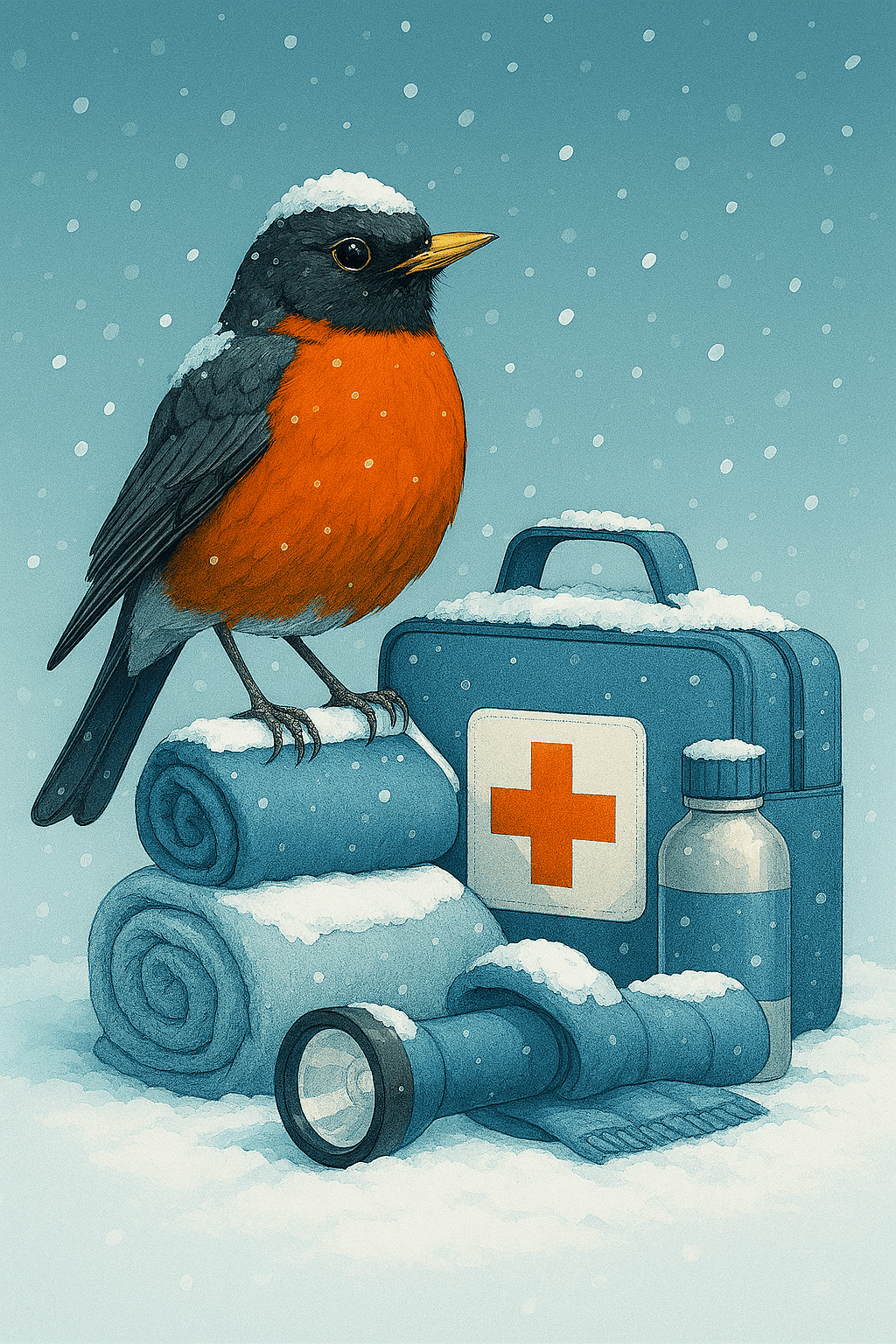
Winter storms are sweeping across the US, bringing snow emergencies in the Northeast and flooding in the Pacific Northwest. Stay safe with driving tips, shelter resources, and pet care guidance, plus direct links to emergency services.
Use official sources for live alerts and road conditions. Follow your local authorities' advice and guidance immediately by staying off roads or evacuating.
Current situation across the United States
Severe winter weather is affecting multiple regions across the country. In the Northeast, heavy snow and ice are creating hazardous travel conditions, while the Pacific Northwest is dealing with widespread flooding, evacuations, saturated ground, and powerful winds. Staying prepared, remaining aware of conditions, and knowing where to find shelter are essential for keeping both people and pets safe.
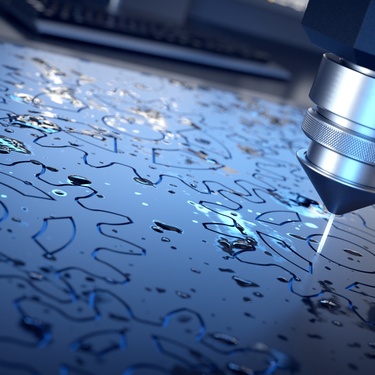
In industries where a fraction of a millimeter can mean the difference between success and failure, precision is everything. From the sleek curves of an aerospace fuselage to the intricate components of a medical device, the ability to cut metal with exacting accuracy is the backbone of modern manufacturing.
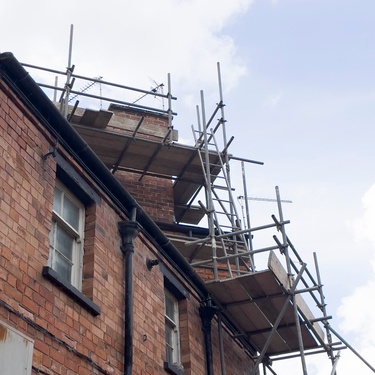
Older urban buildings carry a unique character, from ornate facades to intricate interior details. These qualities create both charm and responsibility for residents, property managers, and city planners.
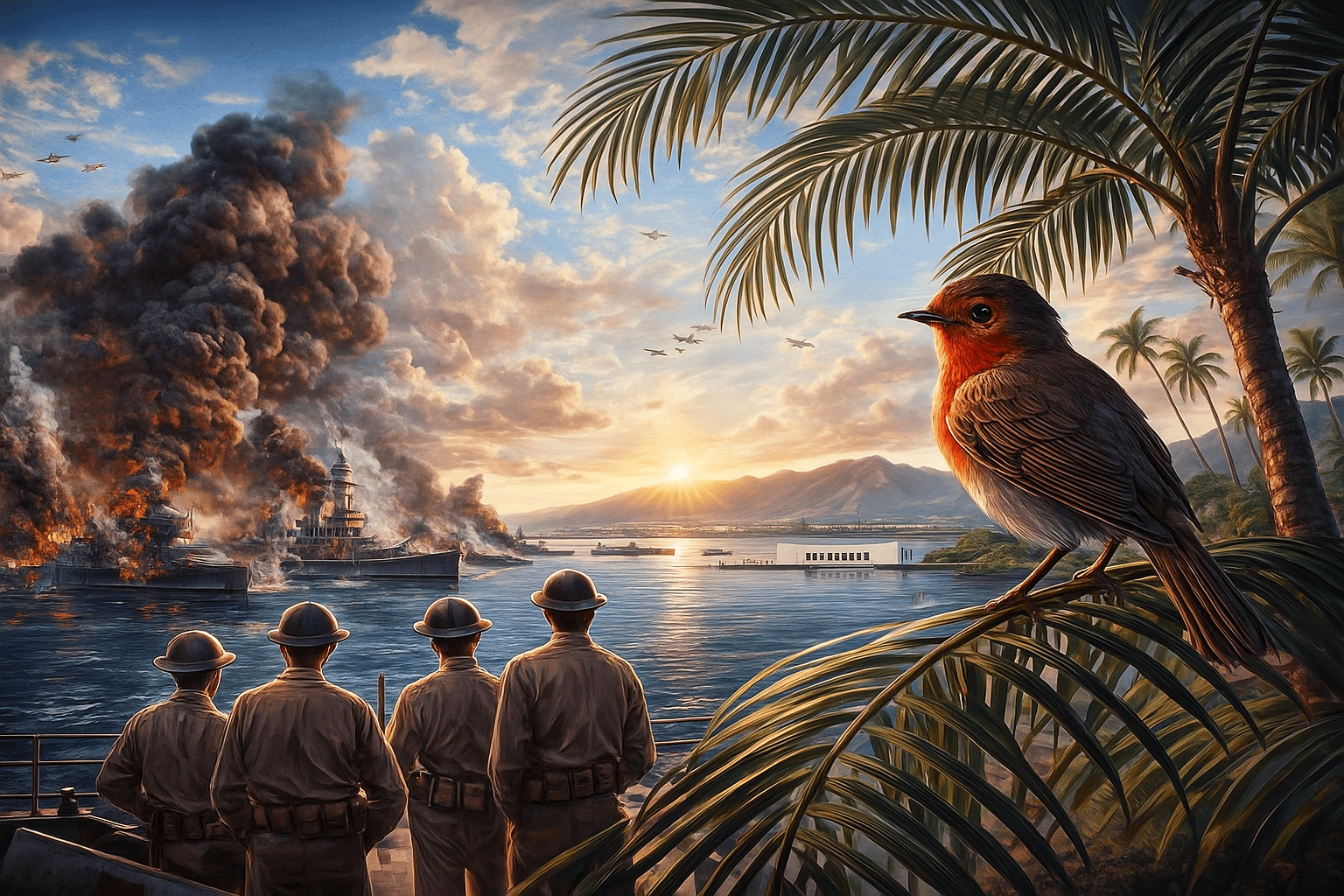
As communities gather this Sunday, December 7th, to remember, we look back at a single morning that reshaped a nation, examine the causes and consequences of the attack, and reflect on how Hawai‘i and the world carried forward the work of healing and reconciliation.
A Morning That Changed the World
On a clear morning that remains etched into the pages of history, aircraft appeared over Pearl Harbor and the United States Pacific Fleet was struck in a surprise assault. In fewer than two hours, battleships burned, aircraft were destroyed on the ground, and more than 2,400 American service members and civilians lost their lives. The attack thrust the United States into the global conflict of World War II and set in motion a series of events that would transform both the Pacific and the world.
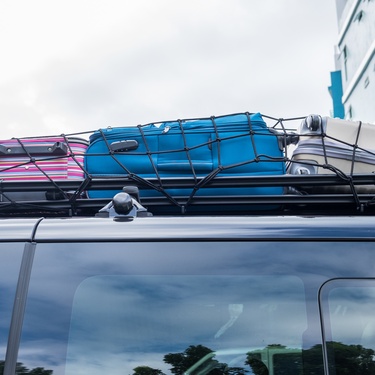
Hitting the open road brings a sense of freedom, but it also brings the challenge of packing. You likely want to bring everything you need without compromising safety or comfort inside the vehicle. However, improperly secured loads can lead to lost luggage and cause serious safety hazards for other drivers on the road.