Rockin Robin SongFlying The Web For News.
RobinPost Logo Amazon Prime Deals


Global World Topics

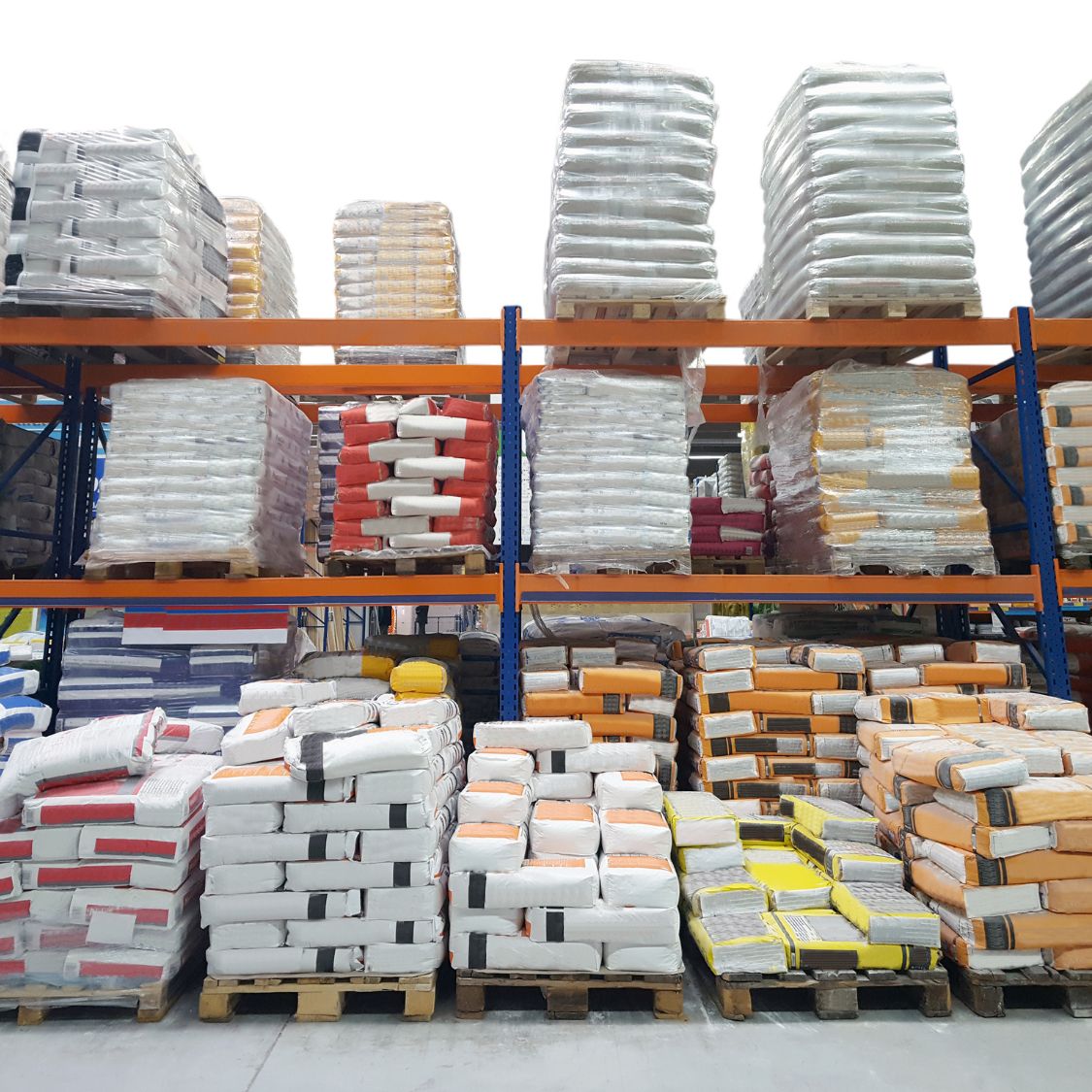
What To Look For in a Building Material Supplier

As the construction industry expands and grows even more competitive, there’s an even greater demand for building material distributors. With this high demand comes the influx of new distributors opening their doors. However, not every material supplier is reliable or has the inventory to supply all projects.

When operating a construction business, you should have the appropriate number of materials and supplies for all your current and future projects. Sourcing from a reliable contractor supplier will help you save money and time wondering where to get extra materials.

Knowing what to look for in a building material supplier is important in an industry that relies heavily on timelines. Below are a few qualities you and your team should seek to ensure that your future projects succeed.

Prioritizing Your Needs

Good supplier companies work hard to provide the best customer service for their partners. It’s best to look for a knowledgeable company that asks you questions about your project before making a sale. This typically means they carry various products to cover multiple projects and want to ensure you get the tools and supplies needed.

Find a supplier who cares about building with integrity, not just wanting to make their profits for the month. Your building material supplier should be able to educate you on alternative materials and techniques.

A Skilled Delivery Team

It would be best if you asked about their delivery team when looking for a building material supplier. The delivery personnel should be trained and skilled before unloading at your site. Having broken or damaged materials can cause setbacks and potentially blow your budget.

The delivery team should be able to communicate efficiently and be on-site at the appropriate time. If there’s a delay or damaged items, they should be transparent and help find a solution.

A Positive Reputation

To keep an organized construction site, you must have a supplier. Why? By having a trustworthy material distributor, you can keep up with your inventory and understand what you need to order or what to save for future projects.

The easiest way to find a reliable contractor supplier is by asking others within the industry. However, due to delayed supply chains, some may feel reluctant to recommend their distributor. That’s why it’s important to use your discernment and read the reviews of your local building material companies.


More News From This Category
Retiring on a Cruise Ship Is It Affordable?
Sun, 16 Aug 2026 07:10:18 +0000

A balcony cabin facing a new harbor every few days can sound more appealing than mowing a lawn, replacing a roof, or driving to the same grocery store each week. But retiring on a cruise ship is not simply a vacation extended forever. It is a housing decision, a health care decision, and a financial commitment with variables that can change faster than an itinerary.

For some retirees, life at sea can be a realistic alternative to maintaining a home. For others, the low advertised fare hides costs that make the idea less practical than it first appears. The key is to compare the full, year-round cost of shipboard living with the life you would otherwise lead on land.


Retiring on a Cruise Ship Is It Affordable?

Retiring on a Cruise Ship: What You Are Really Buying

A cruise fare buys more than a room. Depending on the line and package, it can include accommodation, meals, entertainment, housekeeping, transportation between ports, and access to a built-in social environment. That bundled convenience is the strongest argument for living aboard a ship.

A retiree who spends $3,000 a month on rent or mortgage payments, utilities, groceries, car expenses, home maintenance, and entertainment may find a cruise fare less shocking than someone who owns a modest home outright. The comparison is especially compelling for people who already budget heavily for travel and dining out.

Still, a cruise cabin is not a conventional apartment. Standard cabins are compact, storage is limited, and private outdoor space costs more. Internet access may be inconsistent or expensive, laundry policies differ by ship, and ship schedules decide where you wake up. A long voyage may feel liberating at first, then restrictive if you want time with grandchildren, a familiar doctor, or a quiet week without organized activity nearby.

There are two main approaches. Some travelers book consecutive conventional cruises, moving from one itinerary to another as availability allows. Others consider residential cruise ships, where buyers purchase or lease a unit for extended use. The first option offers more flexibility but requires constant planning. The second may provide more stability, but often involves a substantial upfront investment, monthly fees, and resale uncertainty.

The Cost Is More Than the Advertised Daily Rate

Cruise pricing can look remarkably low when divided by the number of nights. A sale fare may appear cheaper than a hotel, an apartment, or assisted living. The problem is that the headline rate rarely represents the complete annual budget.

Taxes, port fees, gratuities, drinks, specialty dining, shore excursions, travel insurance, airfare, hotel stays between sailings, and mobile phone service can add meaningful expense. So can single occupancy pricing. Many cruise fares are built around double occupancy, which means a solo retiree may pay close to the rate for two people while using one berth.

A realistic calculation should also account for the days when you are not on the ship. Back-to-back bookings do not always line up neatly. Ships may change routes, enter dry dock, sell out, or cancel sailings because of weather, mechanical issues, or geopolitical events. You may need a hotel, ground transportation, luggage storage, and a flight to the next embarkation port.

For a rough planning exercise, price the cabin you would genuinely be willing to occupy for a full year, not the lowest interior cabin on a short promotional sailing. Add the expected daily gratuities, a food and beverage allowance, medical and travel coverage, flights, several hotel nights, communications, personal spending, and a contingency reserve. Then compare that annual total with your current housing and living expenses.

The answer often depends on lifestyle. A retiree who is content with an interior cabin, drinks little alcohol, skips costly excursions, and travels with a partner may keep costs comparatively controlled. A solo traveler who wants a balcony, premium internet, frequent flights home, and private tours can spend far more than anticipated.

Do not assume prices will stay low

Cruise lines adjust fares according to demand, fuel costs, season, cabin inventory, and destination. Booking one inexpensive sailing does not prove that a year of similar travel will be affordable. Popular routes, holiday periods, and longer voyages can command significantly higher rates.

There is also no landlord-style certainty in many cruise arrangements. A line can alter loyalty benefits, service charges, packages, deployment plans, and booking rules. Retirees who rely on a fixed income should avoid building a plan around the assumption that today’s deal will exist next year.

Health Care Is the Biggest Practical Question

Shipboard medical centers are designed for urgent care and common onboard illnesses, not ongoing management of complex conditions. They can treat many problems, but they are not a substitute for a primary care practice, specialist network, rehabilitation center, or hospital close to home.

For Americans, Medicare generally does not cover routine care outside the United States, and coverage on a ship is limited by where the vessel is located. Supplemental coverage may help in certain circumstances, but policies vary. Before committing to long-term cruising, review how your insurance handles overseas treatment, medical evacuation, prescription drugs, pre-existing conditions, and emergency transport.

Prescription management deserves equally close attention. Carrying a large supply may be difficult because of refill limits, medication storage requirements, and customs rules in different countries. A medication that is common in the United States may be unavailable, restricted, or sold under a different name abroad. Anyone with regular infusion needs, dialysis, oxygen requirements, serious mobility limitations, or closely monitored chronic illness should speak with their medical team before treating a ship as a permanent address.

Age also changes the equation. A traveler may be healthy enough for a six-month cruise at 68 and need more accessible care at 75. A sound retirement plan includes a land-based fallback option, not just a dream itinerary.

Taxes, Mail, and the Missing Home Address

Life afloat does not eliminate the need for a legal residence. You will still need an address for banking, voting, taxes, insurance, driver’s license matters, medical records, and government correspondence. Many long-term travelers maintain a residence with family, keep a small apartment, or establish domicile in a state that accommodates full-time travelers.

Tax obligations do not disappear because a ship visits international ports. Federal tax rules still apply to U.S. citizens, and state tax responsibilities can depend on domicile, income sources, time spent in a state, and other facts. The issue becomes more complicated for retirees with rental property, business income, trusts, or residency ties in multiple states.

Mail, document security, and digital access need planning too. Use strong account security, keep paper copies of critical documents in a secure location, and make sure a trusted person ashore can help in an emergency. Cruise Wi-Fi has improved, but it is not guaranteed to support every banking, telehealth, work, or video-call need at every point on the route.

The Social Upside Is Real, but So Is Cabin Fatigue

Cruise ships are unusually social places. Meals, lectures, shows, classes, and port days make it easy to meet people without forcing the interaction. For retirees who feel isolated after leaving work or losing a spouse, that daily contact can be a genuine benefit.

The trade-off is that many fellow passengers leave after a week or two. Crew members can be warm and familiar, but they are working under demanding schedules. Friendships can form, especially among frequent cruisers, yet the community is more temporary than the one built through years in a neighborhood.

Cabin fatigue is another reality. Even well-designed ships have crowds, announcements, elevators, limited privacy, and changing noise levels. Sea days can be relaxing, but rough weather can make a small room feel smaller. Try several longer sailings in different seasons before giving up a land home or selling major possessions.

Start with a trial retirement, not a permanent leap

A practical test is to take a 30- to 60-day cruise or a series of back-to-back sailings while keeping your normal home base. Track every expense, including tips, transfers, medical needs, Wi-Fi, and purchases in port. Pay attention to sleep, mobility, boredom, internet reliability, and how often you miss your usual routines.

This trial can reveal whether you love the rhythm of ship life or merely enjoy being a passenger for a few weeks. It also provides real numbers for your budget instead of relying on promotional prices and social media anecdotes.

Retiring at sea can be a memorable way to spend part of retirement, especially for travelers who value movement, service, and a ready-made social calendar. The strongest plan is rarely to make the ship your only answer. Keep enough financial flexibility, health care access, and a dependable place on land so that the next port remains a choice, not a necessity.

Read More ...


Choosing the Best Mobile Phone: 7 Smart Checks
Sat, 15 Aug 2026 10:11:21 +0000

A phone that looks like a bargain at checkout can become an expensive annoyance by week two. Maybe its battery fades before your commute ends, its storage fills with videos, or its carrier plan costs more than expected. Choosing the best mobile phone is less about finding the newest model and more about matching the device to the way you actually work, travel, watch, pay, and stay in touch.

The right choice depends on your priorities. A parent recording school events, a frequent traveler, a mobile gamer, and someone who mainly calls, texts, and checks the news should not be shopping by the same checklist. Start with your daily habits, then compare the details that affect ownership long after the launch-day headlines move on.


Choosing the Best Mobile Phone: 7 Smart Checks

1. Set a real budget, not just a phone price

The advertised price is only one part of the purchase. Factor in sales tax, a case, screen protection, wireless charging accessories if needed, insurance, and the monthly service plan. A discounted phone can lose its advantage if it requires a more expensive plan or comes with limited storage that forces you into a paid cloud subscription.

Decide whether you are paying in full or using monthly financing. Carrier installment offers can lower the immediate cost, but many require eligible service plans and may apply bill credits over 24 or 36 months. If you switch carriers early, trade in the device, or cancel service, you may owe the remaining balance. Read the promotion terms rather than judging an offer by the monthly number alone.

For many shoppers, the best value sits one tier below the flagship model. Midrange phones now commonly offer bright displays, capable cameras, 5G, and all-day battery life. The premium model may still be worth it for specialized camera hardware, faster performance, more durable materials, or longer software support. The key is paying for features you will use.

2. Choose an operating system you can live with

Your choice between iPhone and Android affects more than the home screen. It shapes how your phone connects to a smartwatch, tablet, laptop, car, messaging group, payment system, and family members' devices.

An iPhone may make the most sense for people already using Apple services and accessories. Android offers a wider range of hardware, price points, designs, and customization choices. Neither route is automatically better. The practical question is whether your current devices, apps, and contacts will move easily with you.

Before changing platforms, check the details that can cause friction. Confirm that your messaging groups work as expected, your smartwatch is compatible, your password manager transfers cleanly, and your photos can be moved without leaving years of memories behind. If you rely on a workplace app or an accessibility feature, verify support before buying.

3. Match screen size and build to your hands

Large screens are excellent for maps, live video, documents, games, and reading articles. They can also be harder to use one-handed and less comfortable in a pocket. Smaller phones are easier to carry but give up typing room, battery capacity, and visual space.

If possible, hold a display model before ordering. Pay attention to weight, button placement, grip, and whether you can reach common controls without stretching. Curved edges may look sleek but can make screen protectors and accidental-touch control more complicated. A flat display is often the simpler everyday choice.

Durability matters, especially for people who work outdoors, travel often, or have children using the device. Water resistance is useful protection against spills and rain, not a promise that a phone will survive every pool or beach accident. A good case and screen protector remain cheap insurance, even on models marketed as tough.

4. Look beyond camera megapixels

Camera marketing is crowded with big numbers, but megapixels alone do not tell you whether your photos will look good. Image processing, sensor size, optical stabilization, lens quality, autofocus, and low-light performance often matter more.

Think about what you photograph. If you take portraits, look for convincing subject separation and reliable skin tones. If you capture concerts, sports, pets, or children, prioritize fast focus and good shutter response. Travelers may benefit from a true optical zoom lens, while casual users may get more value from a camera that takes consistently natural photos without editing.

Video deserves its own check. Test or review stabilization, microphone quality, night video, and how much storage high-resolution clips consume. Content creators may also want manual controls, external microphone support, and easy transfer to a computer. For everyone else, a dependable main camera is usually more valuable than several weak extra lenses.

5. Buy enough storage and battery for your routine

Storage is difficult to upgrade later. A phone with 128GB can be enough for light users who back up photos regularly, but heavy video recording, downloaded shows, games, and offline maps can fill it quickly. If the price gap is reasonable, extra storage can extend the useful life of the phone and reduce the need to constantly manage files.

Battery ratings should be treated as a starting point. Your real battery life changes with screen brightness, signal strength, gaming, navigation, video calls, and background apps. A large battery helps, but efficient software and a power-conscious processor also make a difference.

Fast charging is convenient, particularly for commuters and travelers, but check what is included in the box. Some phones ship without a charging brick, and not every USB-C charger delivers the fastest supported speed. Wireless charging adds convenience on a desk or nightstand, though it is typically slower and can produce more heat.

6. Check carrier compatibility and coverage where you go

A great phone is frustrating if it performs poorly on the network you use most. Confirm that an unlocked model supports your carrier's bands and that it can use the carrier's 5G and calling features. Most current flagship phones work broadly across major U.S. networks, but compatibility still matters for imported, older, or budget devices.

Coverage is personal. Ask how service performs at your home, workplace, school, and common travel routes, not just in a national advertising map. If you live in a rural area or regularly drive long distances, dependable LTE coverage may matter more than peak 5G speeds.

Also consider dual SIM or eSIM support. It can be useful for international travel, separating work and personal numbers, or testing a new carrier without immediately giving up your current line. For travelers, make sure the device is unlocked and understand any carrier rules before departure.

7. Treat software support as part of the purchase

A phone receives its most meaningful improvements after you buy it. Security updates protect your data, while operating system updates can add features, fix bugs, and maintain compatibility with apps and accessories. A lower-priced phone with short support may cost less now but need replacing sooner.

Check how many years of security and operating system updates the manufacturer commits to providing. Also look at its record of delivering updates on time. This is especially relevant for Android shoppers because policies vary by brand and model line.

Privacy controls deserve attention as well. Review whether the phone offers clear permission settings, device tracking tools, theft protection, biometric security, and reliable backup options. Set up a passcode, fingerprint or face unlock, account recovery details, and remote device location as soon as the phone is activated.

A quick buying decision before checkout

When several phones seem equally appealing, use your own priorities to break the tie. Rank battery life, camera quality, screen size, storage, network fit, and software support from most to least important. Then remove any phone that misses one of your top two requirements, even if it wins on a feature you will rarely use.

Avoid buying based only on a launch promotion, a celebrity endorsement, or a single benchmark score. Read current user reports for recurring issues such as overheating, weak reception, unreliable fingerprint sensors, or delayed updates. One complaint proves little; a repeated pattern is useful consumer information.

The best phone should make routine tasks feel uncomplicated for years, not merely impress for the first few days. Choose the model that fits your budget and habits with the fewest compromises, then protect it well and keep its software current.

Read More ...


Great Recipes You Can Make With Blueberries
Fri, 14 Aug 2026 11:29:41 +0000

A person pouring sugar into a bowl of flour. A bowl of blueberries sits next to the flour and sugar.

Fresh blueberries bring bright color, sweet flavor, and plenty of kitchen inspiration. They look stunning in your garden but there are many better ways to use this fruit at home. Use the guide below to learn a few great recipes you can make with blueberries.

Read More ...


How to Recover Apple ID Account Access Safely
Fri, 14 Aug 2026 10:11:14 +0000

A locked Apple account can quickly become more than a password problem. It can block access to iCloud photos, app purchases, subscriptions, device backups, Find My, and messages that rely on Apple services. If you are searching for how to recover Apple ID account access, the right route depends on what you still control: a trusted Apple device, the trusted phone number on file, or neither.

Apple now often refers to an Apple ID as an Apple Account, but many device screens and support instructions still use both terms. The recovery process is designed to protect personal data, so the fastest option is always to verify ownership with a device or number Apple already recognizes.


How to Recover Apple ID Account Access Safely

Start with the fastest Apple ID recovery option

Before beginning full account recovery, try resetting the password through a trusted device. A trusted device is an iPhone, iPad, Mac, or other Apple device where you are already signed in and can pass the device passcode, Face ID, or Touch ID check.

On an iPhone or iPad, open Settings, tap your name, then choose Sign-In & Security or Password & Security, depending on the software version. Select Change Password and follow the prompts. You will generally be asked for the device passcode before setting a new account password.

On a Mac, open System Settings, select your name, then choose Sign-In & Security and Change Password. Older macOS versions may place this under Password & Security. Once the password is changed, sign in again on devices and services that ask for it.

This is usually the best route because it avoids a waiting period. It also lets you review account details immediately, including trusted phone numbers, recovery contacts, and unfamiliar devices.

If you still have the trusted phone number

If no trusted Apple device is available but you still receive texts or calls at the trusted number, begin a password reset from Apple’s account recovery process. Enter the Apple Account email address or phone number, then choose the option to reset the password. Apple may send a verification code to the trusted number or offer an automated verification call.

Use a phone number that belongs to you and can receive messages reliably. Do not use a temporary number, a shared work line, or a number you expect to lose access to soon. Once back in the account, add a backup trusted number if possible. One current phone number creates a single point of failure.

How to recover Apple ID account access when you have nothing

The more difficult situation is losing both the password and access to trusted devices or trusted phone numbers. This can happen after a stolen phone, a number change, a damaged device, or an old account that has not been used for years.

In that case, begin account recovery through Apple’s official recovery process. You will provide the Apple Account details and a phone number where Apple can contact you. Apple may ask for information connected to the account, such as a previously used phone number or details from a device signed in with that account.

The process may not be immediate. Apple can impose a waiting period while it verifies that the request is genuine. You may receive an estimated recovery date or time by text or automated message. This delay can be frustrating, especially when a replacement iPhone is waiting to be activated, but it exists to prevent someone else from taking over your account with only an email address.

Keep the recovery phone number active and available. Avoid repeatedly restarting the request or making unnecessary changes to account details during the wait, as that can complicate verification. Apple Support can explain the process, but support representatives cannot bypass the security review or shorten a recovery waiting period.

Check whether a family member is a recovery contact

Apple’s recovery contact feature can help if you set it up before getting locked out. A recovery contact is someone you trust who can generate a recovery code from their own Apple device. They do not gain access to your account, passwords, photos, or messages.

Contact the person you named and ask them to look in their Apple Account security settings for the recovery code. You then enter that code as part of the reset process. This option only works if a recovery contact was already configured, so it is not a shortcut to create after access has been lost.

Confirm that you are using the right account

Many recovery attempts fail because the user is trying to reset the wrong account. It is common to have an older email-based Apple ID, a newer account tied to a phone number, or separate accounts used for purchases and iCloud years ago.

Look for clues in old Apple receipts, subscription emails, device setup records, or saved passwords in a browser or password manager. Ask family members whether an older device was set up under a shared household email address. If you have an iPhone that is locked to an account during setup, the partially masked email address on screen can help identify which account is required.

Be careful with capitalization and spelling, particularly with older email services. Although email addresses are often not case-sensitive, a missing character or an old address ending can send you down the wrong path. If Apple says an account cannot be found, pause and verify the identifier before making more requests.

Do not confuse account recovery with Activation Lock

Account recovery restores your ability to sign in. Activation Lock is a separate protection attached to a specific iPhone, iPad, Mac, Apple Watch, or other Apple device through Find My.

If a used device asks for the previous owner’s Apple Account during setup, only that owner can remove the device from their account. A password reset for your own account will not remove someone else’s Activation Lock. Likewise, a factory reset does not remove Activation Lock from a device that remains connected to an account.

For a device you bought secondhand, contact the seller and ask them to remove it from their Apple account. If you are the original owner, keep proof of purchase with the serial number or IMEI. Apple may review ownership documentation in certain cases, but a receipt does not guarantee that every lock issue can be resolved.

Protect yourself while you wait

Locked-out users are frequent targets for scams. Search results, social posts, and unsolicited messages may advertise instant Apple ID recovery for a fee. No legitimate third party can override Apple’s identity checks. Anyone asking for a verification code, device passcode, recovery key, or payment to “speed up” recovery should be treated as a serious risk.

Use only Apple’s official settings screens and account recovery channels. Never approve a sign-in prompt you did not initiate. If an unexpected verification code arrives, do not share it with anyone, even someone claiming to be Apple Support.

If you suspect an account takeover rather than a simple forgotten password, act quickly. Change the password from a trusted device if you can, review the device list, remove hardware you do not recognize, and check trusted numbers and recovery contacts. Also review purchase history and subscriptions for charges you did not authorize.

Set up recovery options after you regain access

Once access is restored, take a few minutes to make the next recovery less disruptive. Add at least one additional trusted phone number that you control, and consider appointing a recovery contact who is dependable and easy to reach. If you choose to use a recovery key, store it securely offline and understand the trade-off: losing both the key and trusted-device access can make account recovery far harder.

Also update the password in your password manager, verify your primary email address, and remove old devices you no longer own. A strong, unique password matters, but current recovery information is what usually saves time when a phone is lost, replaced, or damaged.

Apple’s security checks can feel slow when access is urgent. Still, a careful recovery process is preferable to one that lets a stranger take control of years of photos, purchases, location tools, and personal communications.

Read More ...


Common Mistakes Businesses Make in Their Packaging
Thu, 13 Aug 2026 11:22:29 +0000

A designer's hand using a pencil to sketch an idea for a new product's packaging on multiple sheets of paper.

Packaging does much more than protect a product. It shapes first impressions, supports branding, and influences whether customers buy from a business again. Many companies focus on the product itself but overlook packaging until problems appear. Small mistakes can increase costs, create frustration, and weaken a brand's reputation. By recognizing common packaging errors, businesses can improve efficiency while delivering a better customer experience.

Read More ...


Related Bing News Results
World News Today Live Updates: At least 1 killed in explosion at Europe’s biggest port in Netherlands
Thu, 13 Aug 2026 10:07:00 GMT
The blast took place at a refinery and fuel terminal run by Gunvor Energy in an industrial section of the vast port premises, AP reported.

'The Malvinas are Argentine’: A World Cup banner makes the Falkland Islands a cultural obsession
Fri, 31 Jul 2026 00:18:12 GMT
BUENOS AIRES, Argentina (AP) — It took a World Cup to transform a remote cluster of islands that’s home to more sheep than people into a cultural juggernaut. A decision by Argentina’s players to ...

World News
Tue, 21 Sep 2010 10:46:00 GMT
Aug. 16 (UPI) -- NATO fighter jets shot down a drone that entered Romania's airspace without authorization, the Romanian defense minister said Sunday. Aug. 15 (UPI) -- A powerful 7.7 magnitude ...


Blow Us A Whistle


RobinsPost Print On Demand Refund Policy With Printify
Printify

Related Product Search/Búsqueda de productos relacionados

Amazon Logo