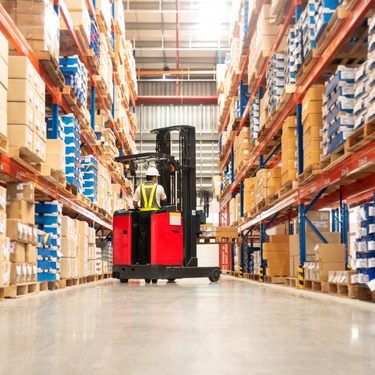
The safety of your employees should always be a top priority. This is especially true if your business involves a warehouse or storage facility, where heavy machinery, massive storage areas, and fast-moving workflows create a risk for accidents and injuries. Employee injuries put more than just your workers’ health at risk. They can also negatively impact your retention rates, reputation, and overall profits. That’s why it’s important for companies to take steps to ensure the health and safety of their warehouse workers. Use these essential tips to avoid employee injuries in your warehouse.
Conduct Regular Safety Inspections
Routine safety inspections are essential in preventing workplace accidents and injuries. Assess your warehouse for hazards and potential risks routinely. Hazards may include obstacles in the walkways, unstable machinery, and malfunctioning equipment. To guarantee that your warehouse is up to safety standards, enlist the services of an expert inspector.
Ensure Proper Training
Proper training is vital to avoid accidents and injuries in a warehouse. Ensure that your employees know how to handle equipment safely and understand the importance of following safety procedures in the workplace. Training in safe lifting techniques, proper use of PPE and safety equipment, and other best practices will also help create a culture of awareness and responsibility across all your teams.
Use Automation for Strenuous Tasks
Warehouse workflows often include repetitive or physically strenuous tasks, such as lifting heavy cases, stacking product loads, or wrapping pallets. Workers who perform these tasks every day have a higher risk of muscle strain, repetitive motion injuries, and other problems. You can prevent these injuries and keep workers safe with automated equipment, such as stretch wrappers or palletizers. These solutions save your employees a lot of physical effort and help reduce accidents and worker injuries that stem from hard manual labor.
Keep a Clean and Organized Warehouse
A cluttered and unorganized warehouse is full of potential problems—including tripping and slipping hazards, unstable equipment, and leaks. That’s why one of the most important tips for avoiding employee injuries in your warehouse is to keep the workspace clean, well lit, and free from clutter. Perform routine inspections to keep your workspaces clean, store dangerous goods like flammable or corrosive materials properly, and enforce best practices. This way, everyone will contribute to maintaining a safe, organized workplace.
Supply chains are unpredictable. One month, inventory moves slowly; the next, a seasonal spike floods the loading dock. If your storage system is rigid, these fluctuations create chaos rather than revenue. A static warehouse is a liability in an industry defined by movement and speed, so it is vital that you future-proof your warehouse storage equipment.
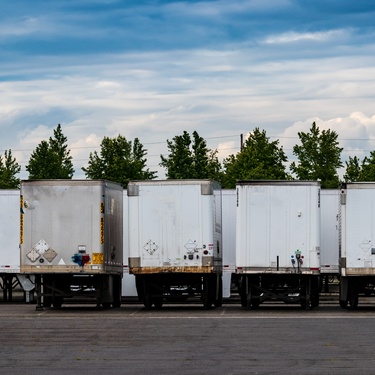
Every mile counts on the road, but what happens when the wheels stop turning matters just as much. For trucking companies, trailers are revenue-generating assets that must be taken care of. That means ignoring where and how you store them is a silent profit killer.
Buying farmland for the first time is an exciting venture, opening up possibilities from starting a family farm to making a long-term investment. But before you plant your first seed or bring in livestock, it’s crucial to do your homework. A successful purchase depends on more than just the price tag. Here are five essential things every first-time farmland buyer should know to make a wise and informed decision.
Most drivers understand that their tires are crucial for a safe ride. Yet, many overlook how significant weather changes can impact tire performance and overall driving safety.
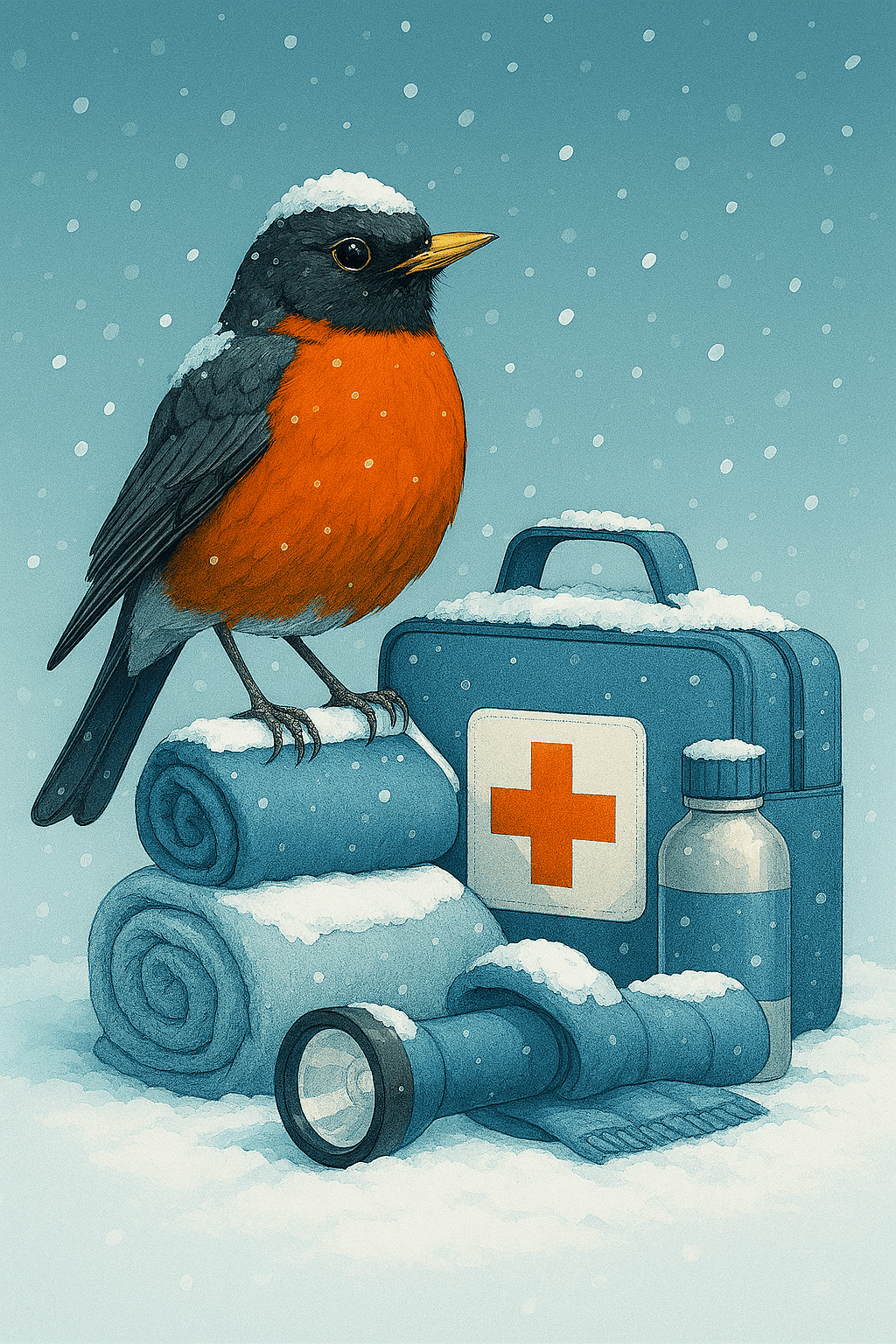
Winter storms are sweeping across the US, bringing snow emergencies in the Northeast and flooding in the Pacific Northwest. Stay safe with driving tips, shelter resources, and pet care guidance, plus direct links to emergency services.
Use official sources for live alerts and road conditions. Follow your local authorities' advice and guidance immediately by staying off roads or evacuating.
Current situation across the United States
Severe winter weather is affecting multiple regions across the country. In the Northeast, heavy snow and ice are creating hazardous travel conditions, while the Pacific Northwest is dealing with widespread flooding, evacuations, saturated ground, and powerful winds. Staying prepared, remaining aware of conditions, and knowing where to find shelter are essential for keeping both people and pets safe.